
Sudan warns of rising disease rates as war hampers health response
March 3, 2026 (KHARTOUM) – Sudan’s health ministry on Tuesday reported a surge in cases of dengue fever, malaria, and measles across several states, as officials struggle to contain outbreaks amid a collapsing healthcare system and ongoing conflict.
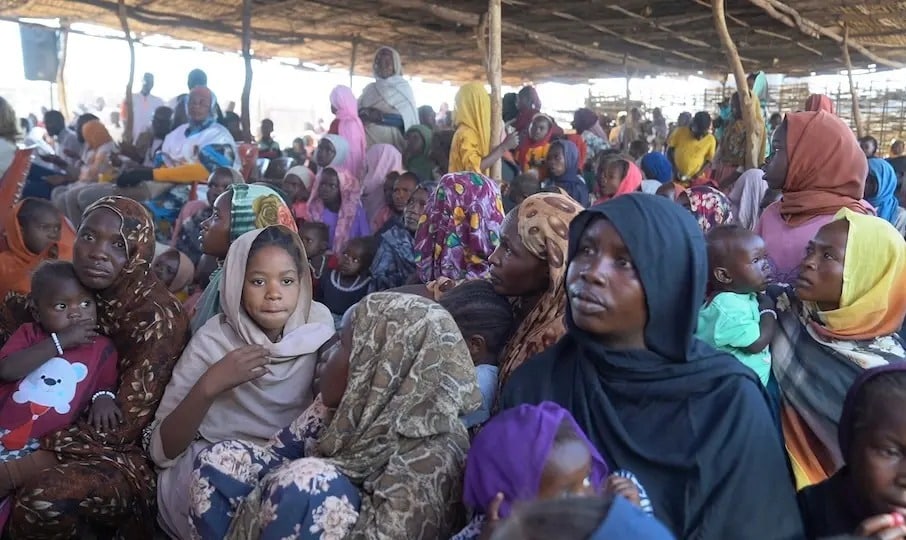
Health services in Sudan have faced severe disruption since the war began. Logistics have been crippled by fighting and road closures, preventing the delivery of life-saving medicines and medical supplies. Public health surveillance and prevention programs have also deteriorated as the number of internally displaced people climbs, overwhelming hospitals in affected regions.
The Federal Ministry of Health’s Emergency Operations Centre said in a statement that cumulative dengue fever infections have reached 6,976, including five deaths, representing an increase over the same period last year.
Malaria cases have risen significantly in the states of Khartoum, River Nile, White Nile, and Gezira. High rates of measles persist in the Tawila locality of North Darfur, as well as Ad Damazin and Tandalti in White Nile. Meanwhile, Gezira state continues to record cases of Hepatitis E, though the ministry noted a slight decline in new infections compared to the previous week.
The ministry’s response plan involves activating emergency operations centres at the state and local levels and dispatching medical supplies to high-risk areas. Technical committees are monitoring measles and hepatitis cases, with a focus on providing support to approximately 58,158 displaced families, totalling more than 227,000 individuals.
Interventions also include community outreach, such as home visits, mobile media campaigns, and interactive theatre to spread awareness. Health officials are monitoring food safety and water quality, specifically testing chlorine levels in the main water network and conducting vector control to eliminate mosquito breeding sites inside and outside homes.
Despite these efforts, the ministry acknowledged significant gaps in the availability of essential medicines for cholera, dengue, and malaria.
Federal Health Minister Haitham Mohamed Ibrahim directed departments to intensify the fight against measles and raise the alert level for Hepatitis E in Gezira. He also called for replenishing malaria drug stocks before the onset of the autumn rainy season.
The minister confirmed that budgets have been approved for dengue fever campaigns in Northern and Khartoum states. However, he stressed that given the current national and regional constraints, officials must “think outside the box” to secure funding and stabilize supply chains.