
Sudan’s Kadugli famine risk recedes after army breaks siege
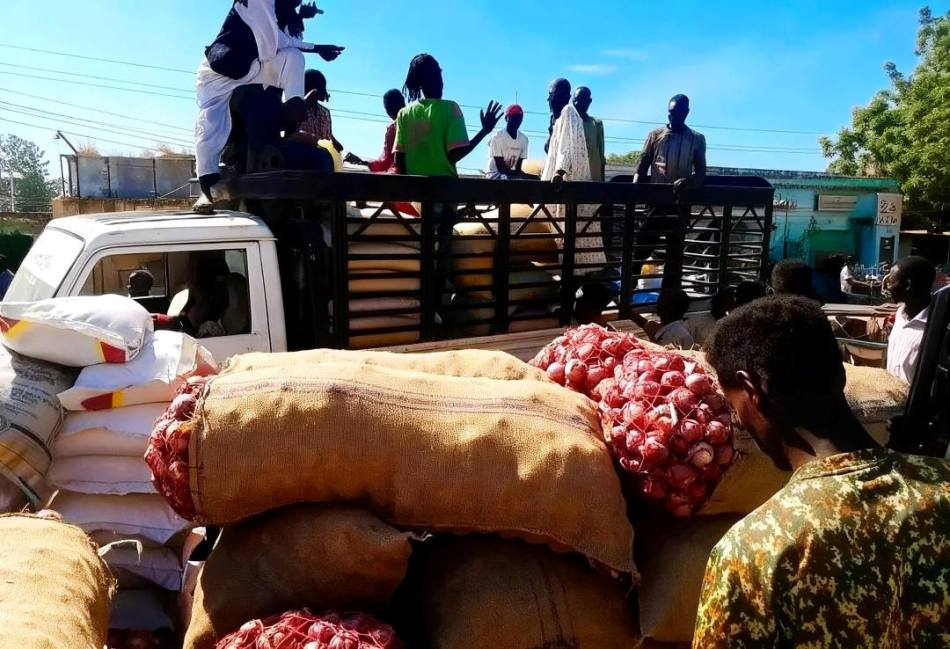
March 11, 2026 (NEW YORK) – The risk of famine has receded in Kadugli, the capital of Sudan’s South Kordofan State, following the military’s lifting of a long-standing blockade, according to a report by the Integrated Food Security Phase Classification (IPC) released Wednesday.
The army achieved a breakthrough on Jan. 26 by ending the siege on Dilling, before advancing to break the blockade on Kadugli a week later. This allowed the first significant flow of relief and commercial supplies to reach civilians after more than two years of isolation.
The IPC, a U.N.-backed global monitor, had formally declared a famine in Kadugli on Nov. 3. While technical thresholds for famine are no longer being met, the report cautioned that this shift does not represent a fundamental improvement in food security, but rather a transition to a “Food Security Emergency.”
The arrival of humanitarian convoys, including 700 metric tons of aid on Feb. 20, has significantly impacted local markets. The price of a sack of sorghum plummeted from 900,000 Sudanese pounds to approximately 40,000 pounds, while flour prices dropped from 80,000 pounds to 6,000 pounds per kilo.
Despite the price drop, the IPC warned that many households remain in a “Catastrophic” state. Families have lost their primary sources of income and productive assets during the conflict, leaving them unable to afford even cheaper goods.
Hunger and malnutrition levels remain critical in Kadugli, Dilling, and the surrounding Nuba Mountains. The report noted that acute malnutrition among children under five stands at 15%, below the 30% famine threshold, though this may be due to high mortality rates recorded between mid-2025 and early 2026.
The food crisis in Sudan remains among the world’s most severe, with estimates suggesting up to 22.9 million people will require humanitarian assistance this year. Extreme hunger persists in North Darfur areas like Ambary and Karnoi, where malnutrition rates have reached 53% and 34%, respectively.
Economic conditions continue to deteriorate nationwide, with inflation exceeding 60%. The Sudanese pound has fallen to approximately 3,575 per U.S. dollar, further straining the ability of the World Food Programme to reach more than 20% of the population in need.
The IPC warned that any return to siege conditions or the cutting of trade routes would immediately trigger a relapse into famine across South Kordofan and North Darfur.