
Sudan returns risk collapse without urgent infrastructure aid, IOM says
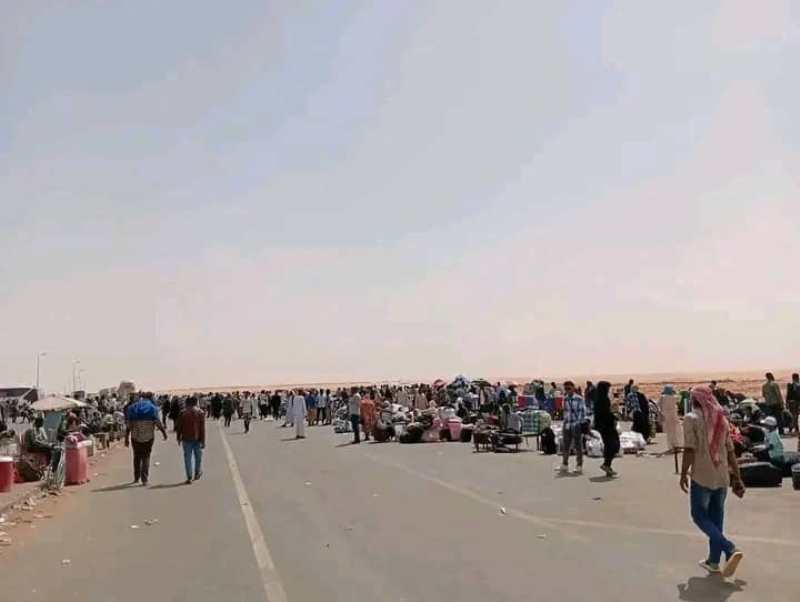
April 21, 2026 (KHARTOUM) – The International Organization for Migration warned on Tuesday that the resettlement of 4 million people who returned to their homes remains unsustainable unless infrastructure is rebuilt and livelihoods are revived.
Nearly 4 million Sudanese have returned out of 11.5 million who fled since the conflict erupted three years ago. The wave of returns is linked to the army’s regaining control of the Sennar, Al Jazirah, and Khartoum states.
The organization stated in a briefing that while many returnees hope to rebuild their lives, these movements risk failure without urgent investment in basic services and infrastructure rehabilitation. Returns have been concentrated in Khartoum and Al Jazirah due to improved security, economic pressures, and family reunification.
In Khartoum, the rising number of returnees is placing additional strain on urban infrastructure that has been severely damaged by fighting. Water systems, power grids, and health facilities remain heavily affected, complicating efforts to restore essential services to the capital’s residents.
Returnees to Al Jazirah are facing the destruction of equipment and systems, threatening food production at a critical point in recovery. The IOM noted that these challenges affect returnees and host communities alike, straining social cohesion and already weakened resources.
Data show that 1.8 million people have returned to Khartoum, while 1.1 million have returned to Al Jazirah. Displacement patterns continue to reshape these communities, placing persistent pressure on Eastern and Northern states that serve as vital reception hubs for those still displaced.
Host communities in these regions are carrying increasing burdens despite facing their own economic and climate-related hardships. Health systems and water infrastructure in these areas remain under significant pressure due to population influx.
IOM Deputy Director General for Management and Reform SungAh Lee, during her visit to Sudan, said returning home should mark the beginning of recovery. Instead, she noted that many confront destroyed services and new uncertainties.
Lee emphasized that people require access to safe housing and sustainable ways to earn a living. She added that without such support, maintaining safe and dignified returns becomes increasingly difficult for the population.
The IOM is currently working to help Sudanese communities transition from emergency response to long-term stability and peace. The agency stressed that coordinated regional responses remain essential to monitor these interconnected displacement and return movements.