
Nickson Madic Kuek: A legacy of resilience and service to South Sudan
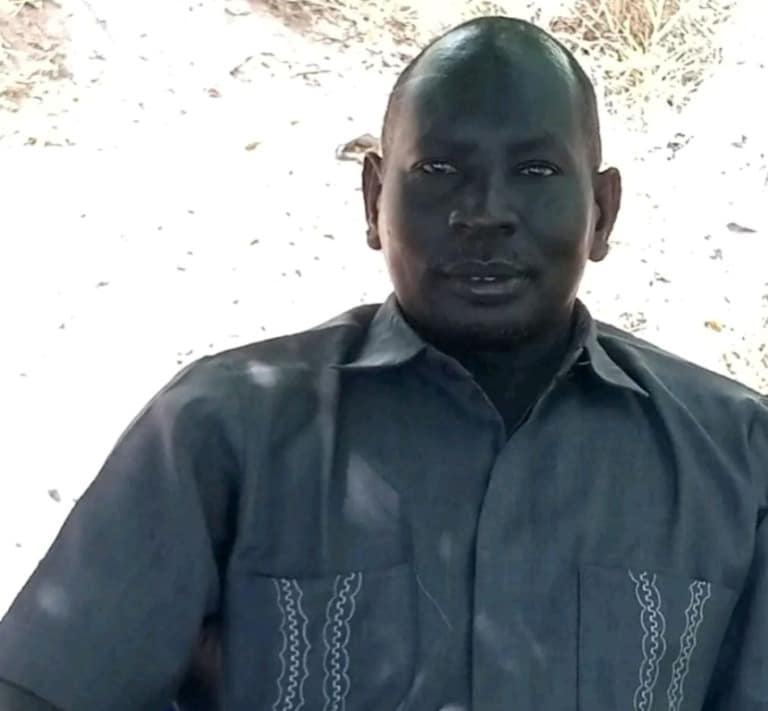
by Tong Deng Anei, former minister of health in Northern Bahr el Ghazal state
The news of Nickson Madic Kuek’s passing on May 2, 2026, at his home village of Panriau in Madhol Payam, Aweil County, Northern Bahr el Ghazal State, has left many in shock and disbelief. For those who knew him as a comrade, a civil servant, a survivor, and a patriot, his death feels unreal. It is difficult to accept that a man who endured so much, contributed so deeply, and stood firmly through the most defining moments of South Sudan’s history is no longer with us. Indeed, no one believes you are gone.
Nickson Madic Kuek’s life story is inseparable from the broader struggle and resilience of the people of South Sudan. Born in the early 1970s, his childhood was marked by hardship and violence. One of the most defining early moments of his life came when he was burned in Aweil East, an experience that would have broken many. Yet, even at a young age, Nickson demonstrated a remarkable strength of spirit. That painful chapter did not define his limits, it instead revealed his endurance and foreshadowed the courage he would carry throughout his life.
As a young man, Nickson joined the ranks of the Red Army, the group of young boys who became part of the Sudan People’s Liberation Movement/Army (SPLM/SPLA) during the liberation struggle. Like many of his peers, he made the difficult journey to Ethiopia, where he became part of a generation that sacrificed childhood for the hope of a free nation. These were years of discipline, ideological formation, and survival under extremely harsh conditions. Nickson was not just present; he was committed, shaped by the collective vision of liberation and justice.
His journey would take him even farther, as he became one of the SPLM students sent to Cuba for training and education. This opportunity was both a privilege and a challenge. In Cuba, Nickson joined other young South Sudanese to gain skills and knowledge intended to prepare them for their country’s future. However, geopolitical shifts altered the course of their lives. When the government of Ethiopia under Mengistu Haile Mariam was overthrown, many of these students found themselves stranded far from home. It was a time of uncertainty, but Nickson persevered. In 1995, he returned to East Africa, passing through Kampala, Uganda, carrying with him not just education but resilience shaped by displacement and global upheaval.
Upon his return, Nickson transitioned into civilian life and began contributing in new ways. He worked as an accountant in Nairobi, where he served under the current Minister of Interior, Honourable Aleu Ayieny Aleu, who at the time was the Executive Director of Operation Save Innocent Lives (OSIL), a national organization dedicated to humanitarian work. In this role, Nickson demonstrated diligence, professionalism, and integrity. His work was not only about numbers, but it was also about accountability and service to vulnerable communities.
In 2003, Nickson’s path took another significant turn when he joined the Sudan Relief and Rehabilitation Association (SRRA), now known as the Relief and Rehabilitation Commission (RRC). His appointment as an accountant came through the request of the then Secretary, Elijah Malok Aleng, who recognized his potential and commitment. This marked the beginning of a distinguished career in public service within South Sudan’s humanitarian and administrative sectors.
Through years of dedication, hard work, and consistent performance, Nickson rose through the ranks. He became known not only for his technical competence but also for his leadership and humility. Eventually, he attained the position of Director of Administration and Finance, a role he held with responsibility and honour until the very day of his passing. His career progression stands as a testament to perseverance and merit, reflecting a life built on service rather than self-interest.
Nickson Madic Kuek was more than his titles and positions. He represented a generation that bore the cost of South Sudan’s freedom and later took on the responsibility of building its institutions. His life bridged war and peace, struggle and reconstruction. He carried the scars of conflict but chose the path of nation-building. Those who worked with him remember a man of quiet determination, one who believed in doing his duty without seeking recognition.
Today, as family, friends, colleagues, and the nation mourn his loss, there is a shared sense that his absence leaves a void that cannot easily be filled. His journey, from a wounded child in Aweil East, to a Red Army officer, to an international student, to a respected civil servant, reflects the story of South Sudan itself: a story of pain, resilience, and hope.
Though he is no longer physically present, his legacy lives on in the institutions he helped strengthen, the people he mentored, and the nation he served. His life reminds us that even in the face of immense challenges, it is possible to rise, to serve, and to make a difference.