
Sudan revives national shipping line after nine-year hiatus to boost economy
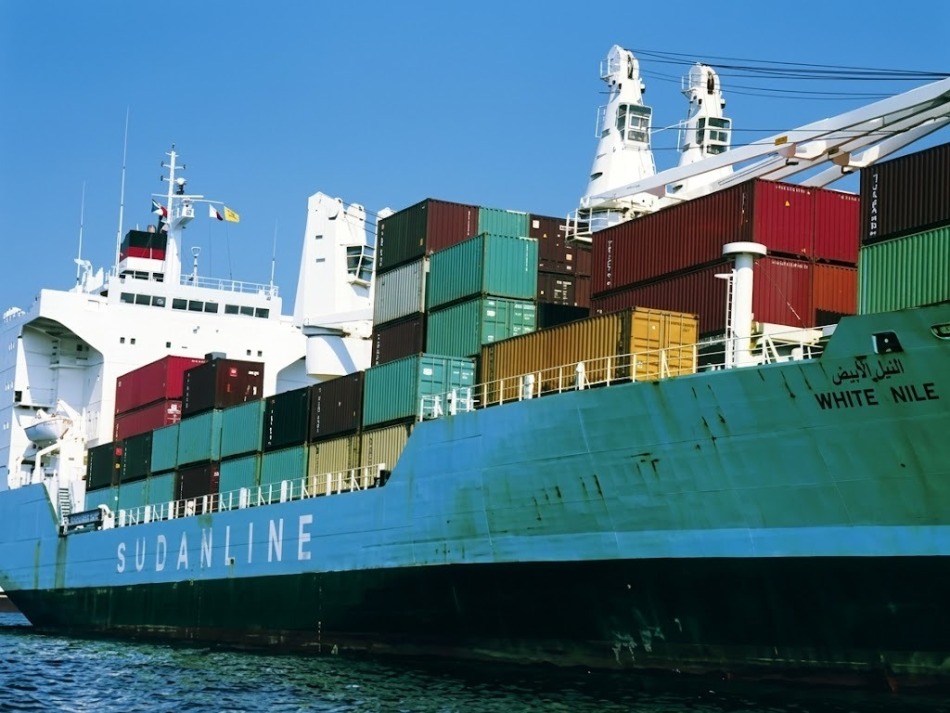
June 23, 2026 (PORT SUDAN) – Sudan has revived its national shipping line after a nine-year hiatus to reduce reliance on foreign carriers and bolster national and economic security, authorities announced on Tuesday.
The move follows skyrocketing foreign transport costs, which surged by 120% after the Strait of Hormuz crisis earlier this year.
The state-owned Sudan Shipping Line, known as “Sudan Line,” was liquidated in 2017 under the previous regime following allegations of financial and legal corruption. The liquidation concluded with the sale of its last vessel, the “White Nile.”
The Ministry of Infrastructure and Transport said that the Sea Ports Corporation and Sudan Line signed a partnership agreement in Port Sudan to revive the national fleet, promote the blue economy, and reduce shipping costs.
Transport Minister Saif Al-Nasr Al-Tijani said the restoration of the fleet is a foundational step toward transforming Sudan’s ports into a gateway for Africa. He added that the ministry is working to rehabilitate productive sectors in parallel with broader national development efforts.
“We hope that Sudanese ships will return to roam the seas, carrying Sudan’s name high,” Al-Tijani said, noting that operations have commenced with a first vessel, with more planned in the future.
State Minister at the Ministry of Finance and Chairman of Sudan Line, Mohamed Nour Abdel Daim, announced that the company has officially resumed service following the acquisition of the “Arkwait,” named after the country’s first ship in 1962.
Abdel Daim said the long-term strategic plan aims to build a fleet of 60 ships. He described the national carrier as a necessity to combat inflation and secure supply chains for strategic commodities, including fuel, wheat, and medicine.
Sea Ports Corporation General Manager Geilani Mohamed Geilani said the partnership will involve joint operations, with the ports authority handling technical and logistical aspects while Sudan Line manages commercial operations. He estimated that the arrangement would cut maintenance and handling costs by up to 40%.
Geilani added that a second container ship is currently en route to Port Sudan to serve the container, passenger, oil, and livestock sectors.
Sudan Line General Manager Omer Al-Khalifa termed the relaunch a historic development that restores the national carrier’s role as a moving embassy for Sudan in global ports. He praised the finance ministry’s funding support, adding that the blue economy represents a major future opportunity for the country.
The national strategy targets breaking the maritime transport monopoly, lowering import costs, conserving foreign currency, and supporting reconstruction by securing the transport of strategic building materials such as iron and cement at reduced domestic rates.
Former employees noted that Sudan Line’s original fleet was sold off in stages between 1994 and 2017. The final vessel, the White Nile, was sold as scrap despite being grounded solely for technical reasons, with the whereabouts of the sale proceeds remaining unknown.