
Economics
Sudan’s Zoyaal Holding restarts oil output at Fina One field, eyes 100,000 bpd by 2030
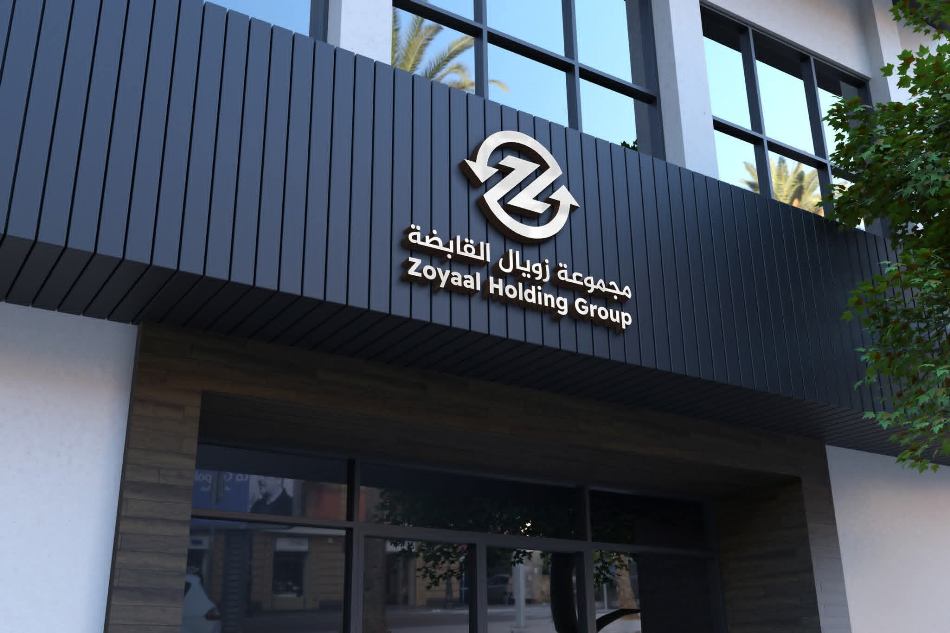
September 8, 2026 (KHARTOUM) – Sudanese conglomerate Zoyaal Holding Group has resumed crude oil production at its Fina One project at an initial rate of 10,000 barrels per day (bpd), the company said on Tuesday, after conflict forced operations offline.
The project began producing roughly 5,000 bpd in 2023 before nationwide fighting between the Sudanese army and the paramilitary Rapid Support Forces disrupted energy infrastructure across the country.
The oil group operates assets across northwestern Sudan and northeastern Libya near Concession 103, known as the Intisar field, in the Jalu-Awjila area along the Libyan-Sudanese border.
Zoyaal Holding said in a statement that it aims to gradually expand operations to lift output to 100,000 bpd by 2030, targeting domestic fuel shortages exacerbated by the war’s broader economic fallout.
Sudan’s energy sector has suffered severe supply shocks, logistical bottlenecks, and damaged infrastructure since hostilities erupted in April 2023, forcing the cash-strapped nation to rely heavily on costly fuel imports.
The group said the restart followed the completion of required regulatory permits and technical overhauls needed to bring idled assets back online safely.
The return of domestic production offers modest relief to Sudan’s constrained fuel supply, though analysts warn that sustaining operations remains vulnerable to acute security and structural risks.
Prolonged shutdowns across Sudanese oilfields have created technical hurdles, including equipment degradation and the need for complex software recalibration, said Khalid Hassan, an energy analyst at Zoyaal Holding.
Hassan said private energy operators in Sudan face significant headwinds beyond technical restarts, notably attracting foreign investment and sourcing spare parts amid strict banking constraints and currency instability.
While an additional 10,000 bpd could marginally reduce import bills, industry observers say preserving pipeline flows and securing supply routes will depend heavily on the volatile security environment surrounding key energy corridors.