
Sudanese pound firms on black market as gold, food prices ease
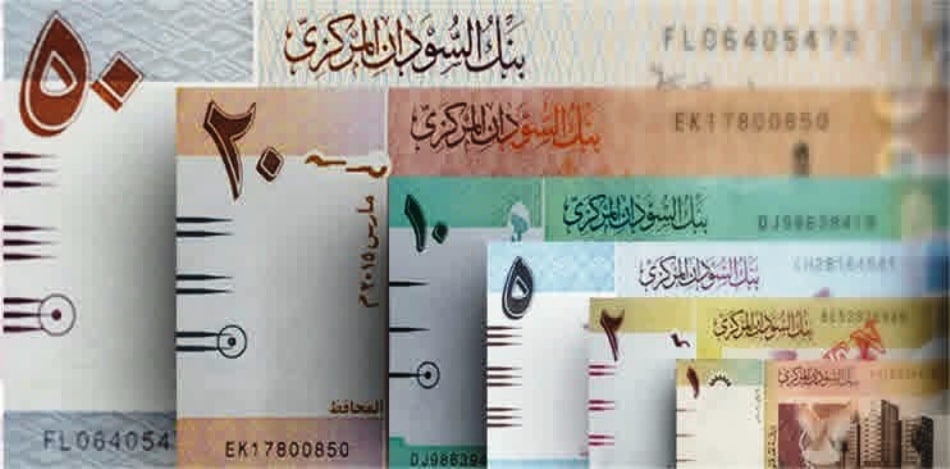
September 20, 2026 (KHARTOUM) – The Sudanese pound gained ground against major currencies on the parallel market for a third straight session on Sunday, as speculative buying cooled and local gold and staple food prices fell, traders said.
The pound traded at 7,300 to the dollar on Sunday, strengthening from 7,600 on Thursday.
The currency also rose against regional tenders, with the Saudi riyal quoted at 1,970 pounds, the UAE dirham at 2,020 pounds, and the Egyptian pound at 146 pounds on the street.
Traders cited subdued foreign exchange demand and less speculative hoarding than the previous week, easing pressure on the parallel exchange rate.
Official banking rates remained significantly stronger but varied widely between lenders.
Bank of Khartoum quoted the dollar at 3,231.50 Sudanese pounds on Sunday, while Faisal Islamic Bank sold at 4,367 pounds and Omdurman National Bank set its rate at 3,778 pounds.
The pound’s rebound coincided with drops in basic food prices.
A 50-kg sack of sugar fell to 325,000 pounds from 370,000 pounds on Thursday, merchants said, while a local pound (ratl) of coffee traded around 22,000 pounds.
Domestic gold prices fell for a third day, tracking the currency’s recovery.
Raw gold stood at roughly 860,000 pounds per gram, while manufactured gold fetched around 950,000 pounds per gram.
Moatasem Mohamed Saleh, secretary-general of the Gold Exporters Chamber, told Sudan Tribune that local gold pricing is now driven primarily by parallel currency moves rather than just international spot rates.
Saleh said he expected gold prices to slide further in upcoming sessions as the black-market dollar retreats.
The pound had tumbled sharply in recent weeks, driving inflation across basic goods and services before stabilizing late last week.