
US yet to grant Sudan’s Burhan visa for UN assembly, sources say
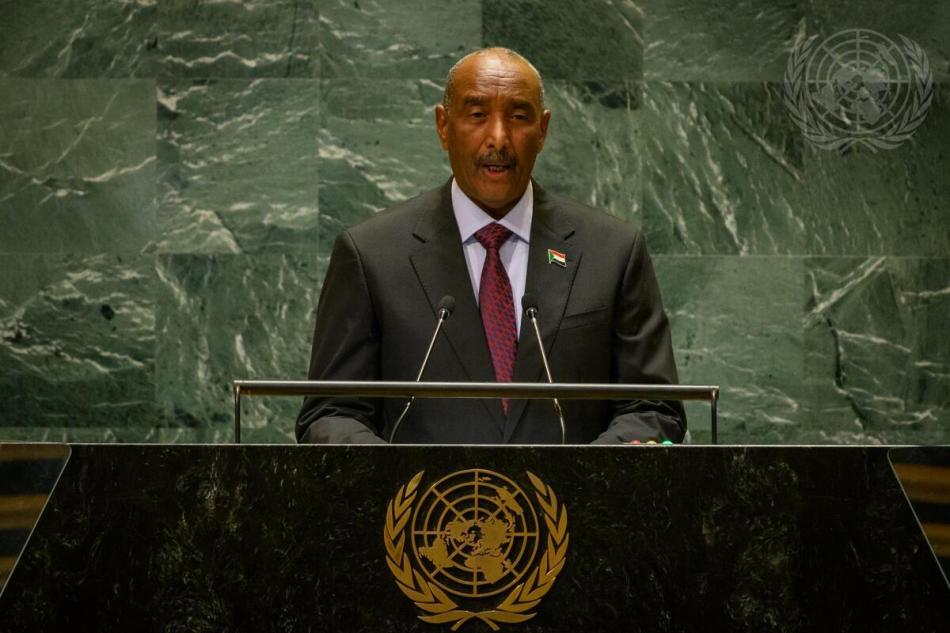
September 22, 2026 (NEW YORK) – The United States has not yet granted an entry visa to Sudan’s Sovereign Council head, General Abdel Fattah al-Burhan, to attend the 81st session of the United Nations General Assembly in New York, diplomatic sources told Sudan Tribune.
However, diplomatic sources in Khartoum said they still expect Burhan’s visa to arrive at any moment on Tuesday.
“As a general matter, we do not comment on Department actions with respect to specific visa cases. We have no further comment,” a U.S. State Department official said on background.
Burhan was preparing to lead Sudan’s delegation to the annual gathering and is scheduled to deliver his address on September 24, according to the official UN General Assembly schedule, with Sudanese officials previously confirming he would formally represent the country.
The delay has raised questions over Washington’s obligations under the 1947 UN Headquarters Agreement, which requires the host country to allow foreign diplomats access to the world body’s headquarters and to process visas without delay.
The United States, however, maintains that it can deny visas for security, terrorism, and foreign policy reasons under a domestic legal provision dating back to the agreement’s ratification, an interpretation contested by the United Nations.
Washington imposed sanctions on Burhan in January 2025 under Executive Order 14098, citing the army’s conduct during the ongoing conflict and the obstruction of peace efforts. Days earlier, the U.S. had sanctioned his rival, Rapid Support Forces commander Mohamed Hamdan Dagalo, known as Hemedti.
The U.S. Treasury Department said at the time of the designation that the Sudanese army under Burhan had launched deadly attacks on civilians, including airstrikes on schools, markets, and hospitals, while deliberately blocking humanitarian aid and using starvation as a weapon of war.
The United States has historically granted entry visas to sanctioned foreign officials attending UN meetings in New York, though it frequently restricts their movements to a tight perimeter around the UN headquarters district.
In an opinion piece published on Tuesday in Foreign Policy magazine titled “How to Bring Peace to Sudan,” Burhan rejected characterizing the war as a feud between two generals.
He urged international backing for a roadmap submitted to the UN Security Council that calls for a monitored permanent ceasefire, a unified army under civilian leadership, and an all-inclusive national dialogue leading to general elections.
The visa dispute follows diplomatic friction in New York after Massad Boulos, senior advisor to the U.S. president for Arab and African affairs, called Sudanese Foreign Minister Mohieddin Salem the “armed forces-appointed foreign minister” after a trilateral meeting with Egyptian Foreign Minister Badr Abdelatty.