
US says foreign meddling fuels Sudan war as peace efforts stall
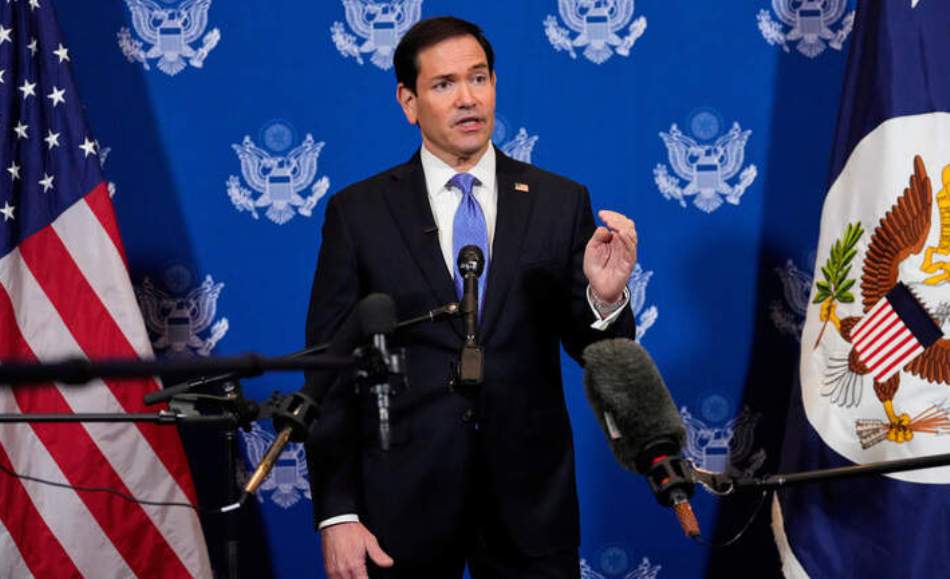
September 24, 2026 (NEW YORK) – U.S. Secretary of State Marco Rubio criticized foreign powers on Wednesday for fueling the conflict in Sudan, saying the devastating war would not end until external actors stop backing the rival factions and pressure their proxies to honour agreements.
Speaking to reporters in New York on the sidelines of the U.N. General Assembly, Rubio voiced deep frustration over repeated diplomatic failures to halt the fighting between the Sudanese Armed Forces and the paramilitary Rapid Support Forces.
“We have a team of people that work (on) Sudan, like full time. It’s a very frustrating thing,” Rubio said. “We’ve had people agree to things, sign to things, and the commitments are never met.”
Rubio pointed directly to outside intervention as the primary driver prolonging the conflict, which erupted in April 2023 and has triggered one of the world’s worst hunger and displacement crises.
“I want to be frank. I mean, we all recognize that what’s happening in Sudan would not be happening were it not for external actors supporting one side or the other, and it’s growing increasingly frustrating,” Rubio said.
The chief U.S. diplomat said mediation efforts led by Washington, Britain and other international partners repeatedly unravel when battlefield fortunes shift, as each faction pulls back whenever it believes it holds a military edge.
“Every time it seems like we’re on the verge of making progress, one side or the other will back off because they think they’re winning or they think they could win,” Rubio said. “And there are external actors. I’m not going to single them out. You know who they are. I don’t want to create any more friction than there needs to be created. But that war and that conflict and that crisis would not be happening were it not for the active participation of external actors that are feeding one side of that conflict or another.”
Rubio said meaningful progress remains impossible unless outside sponsors force the warring parties to compromise.
“Ultimately, until those external actors are prepared to use and influence and pressure their respective proxies to live up to the commitments that they’re making, we’re not going to make progress,” he said, adding that the U.S. is raising the issue across international diplomatic forums.
While Rubio did not name specific countries, media investigations and U.N. reports have accused the United Arab Emirates of supplying military and logistical support to the RSF. Abu Dhabi has denied supplying weapons, maintaining that its involvement is limited to humanitarian aid and diplomatic peace efforts.
Western monitors and officials have also scrutinized the Sudanese army over weapon transfers from international partners, including Turkey and Pakistan. The authorities in Khartoum maintain that the army is the country’s sole legitimate national military and has the sovereign right to procure weapons to defend against what it calls an Emirati proxy war.
Rubio said that while Washington continues to pursue a lasting peace, the immediate priority remains establishing safe corridors to deliver aid to starving civilians trapped in active combat zones.
“At minimum, we would like to see the humanitarian situation addressed because it’s catastrophic and horrifying,” Rubio said. “Aid groups cannot go into these active combat zones. Both sides have made commitments to allowing certain areas to be safe, and then they don’t live up to it.”
“If we can at least achieve the humanitarian achievement in the short term, we can build upon that, and that’s what we’ve tried to do,” he added.