
Sudan finance minister warns of drought risks, seeks climate finance in Bangkok
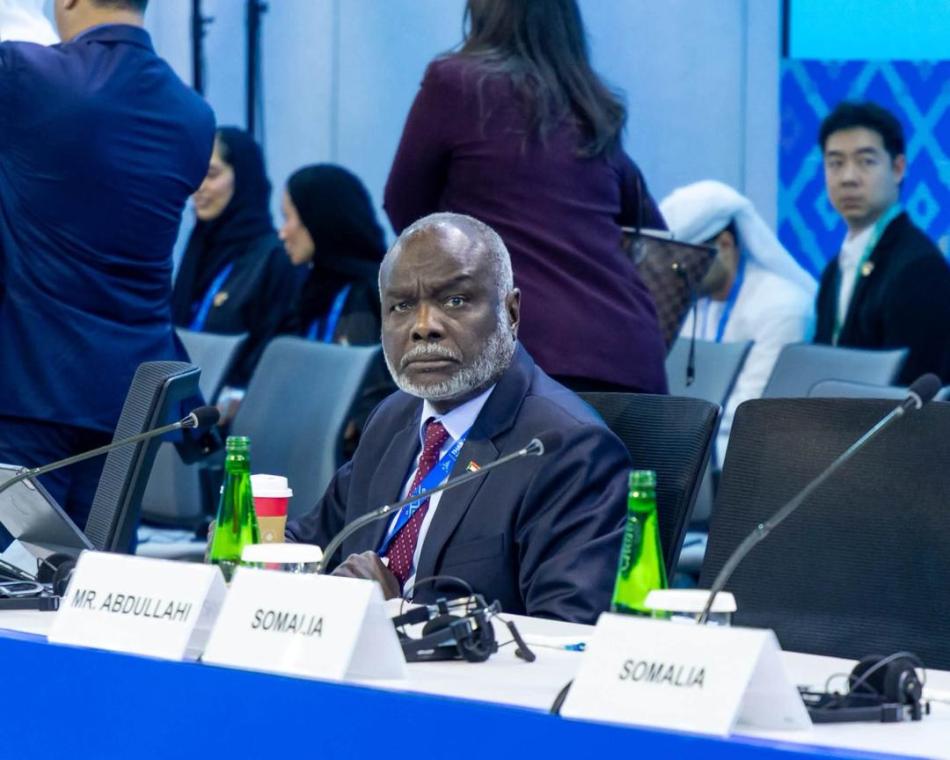
October 14, 2026 (BANGKOK) – Sudanese Minister of Finance and Economic Planning Gibril Ibrahim called on Wednesday for urgent international climate financing and a comprehensive assessment of El Niño and drought risks threatening the country’s agricultural season and food security.
Sudan faces compounding climate challenges from erratic rainfall and rising temperatures, alongside the ongoing war and humanitarian crisis, which raise the risk of severe crop failure and acute food insecurity.
In a press statement issued in Bangkok, the Ministry of Finance said Ibrahim pressed international institutions during African Caucus meetings with leaders from the World Bank Group and the International Monetary Fund to shift from non-binding pledges to concrete, concessional funding for vulnerable African states.
Ibrahim asked the World Bank and IMF to conduct an immediate, comprehensive impact assessment of El Niño and rainfall deficits in Sudan, identifying financing and technical needs to protect agricultural production and rural livelihoods.
IMF Managing Director Kristalina Georgieva affirmed that the Fund is assessing conditions in affected countries to identify potential impacts and financing requirements.
Ibrahim also met with U.N. Assistant Secretary-General and UNOPS Executive Director Jorge Moreira da Silva to discuss the fallout from energy and fertilizer supply disruptions, exacerbated by regional tensions and the closure of the Strait of Hormuz, on Sudan’s farming sector.
The two officials examined the combined impact of drought and rising fuel and fertilizer costs on domestic crop production and food supplies in neighbouring countries, with Ibrahim stressing the need for international partnerships to secure affordable farm inputs for smallholder producers.
Da Silva, acting as coordinator of the U.N. task force on the Strait of Hormuz, reviewed efforts to establish operational mechanisms facilitating the transit of vital commodities, including fertilizers and energy supplies, while leveraging UNOPS expertise to improve supply chain efficiency.
In a separate high-level ministerial meeting on international tax cooperation, Ibrahim urged comprehensive reforms to global tax rules to allow conflict-affected and developing nations to mobilize domestic revenues for recovery and reconstruction.
Ibrahim noted that the war in Sudan has severely damaged public institutions and curtailed tax collection, making administrative modernization, digital customs systems, and broader tax bases essential priorities.
He called on international partners to curb illicit financial flows and ensure developing nations participate meaningfully in drafting international rules governing digital services and cross-border taxation.
The warnings come at a critical juncture as fuel shortages, soaring production costs, and scarce rainfall threaten to deepen Sudan’s agricultural deficits and drive basic food prices higher across the region.