
Ethiopian, U.N. and EU envoys warn of Red Sea escalation fallout on Horn of Africa
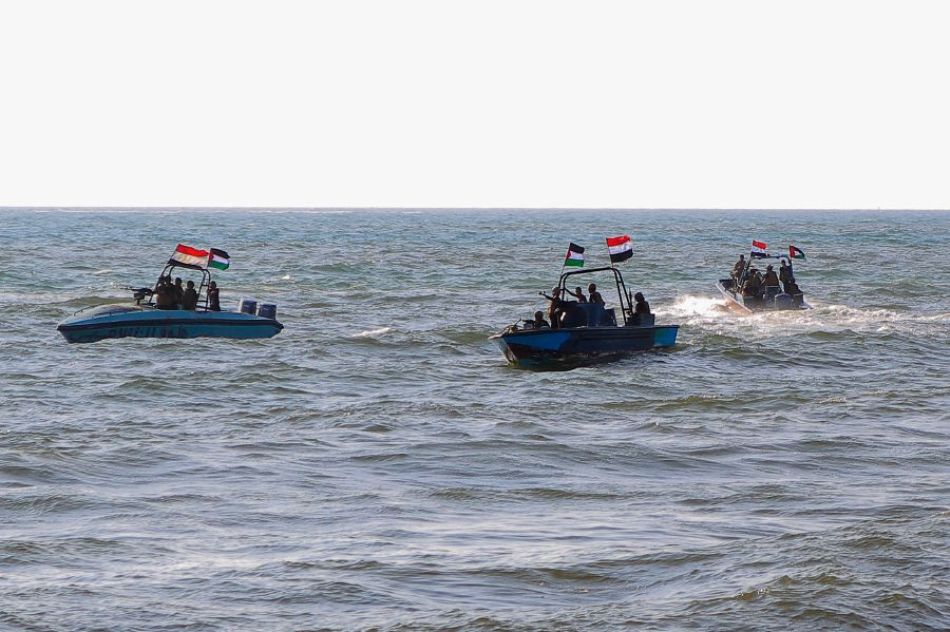
October 23, 2026 (BAHIR DAR, Ethiopia) – Ethiopian officials, along with U.N. and European envoys, warned of the growing repercussions of military escalation in the Red Sea and the Bab el-Mandeb Strait, highlighting its negative impact on the security of the Horn of Africa and global trade.
They emphasized the widening impact of the ongoing developments in the Gulf and the Strait of Hormuz on the region’s security and economies.
Ethiopian intelligence chief Redwan Hussein stressed during the Tana Forum on Peace and Security in Bahir Dar that renewed attacks on commercial ships represent a worrying escalation with far-reaching consequences for regional and international stability.
Hussein said this is particularly concerning given the Red Sea’s strategic importance for global navigation and trade.
In the same context, Ethiopian Foreign Ministry spokesperson Nebiyat Getachew told Al Jazeera that his country is following the ongoing developments with great concern.
Getachew said the crises in Bab el-Mandeb and the Strait of Hormuz have direct and indirect effects on Ethiopia and regional countries, and cannot be separated from the overall economic and security landscape.
U.N. envoy for the Horn of Africa Guang Cong warned that the region’s crises are increasingly intertwined.
Cong explained that Houthi attacks and navigation disruptions are now overlapping with the war in Sudan, political challenges in Somalia and South Sudan, and the tensions between Ethiopia and Eritrea.
He emphasized that reaching sustainable solutions requires a comprehensive regional approach that addresses these conflicts as a single, interconnected system.
On the European side, the German envoy for the Horn of Africa, Heiko Nitzschke, warned that closing or threatening the Straits of Hormuz and Bab el-Mandeb would raise energy prices and disrupt international trade.
Nitzschke affirmed that these developments have prompted Europe to enhance its involvement in settlement efforts and support regional integration.
French envoy Frederic Clavier called for prioritizing dialogue and mediation over military solutions, stressing that foreign interventions harm the prospects for peace.
Clavier also affirmed the need to adhere to international law and respect state sovereignty.
On regional disputes, Getachew Reda, advisor to the Ethiopian prime minister, accused Eritrea of fueling crises and preferring force over peaceful solutions.
On the Sudanese file, the U.N. Secretary-General’s personal envoy said he had held separate dialogues with Sudanese political forces to bridge the gap between them and push toward a resolution to the current crisis.