
Sudan peace forum calls for civilian oversight of security sector
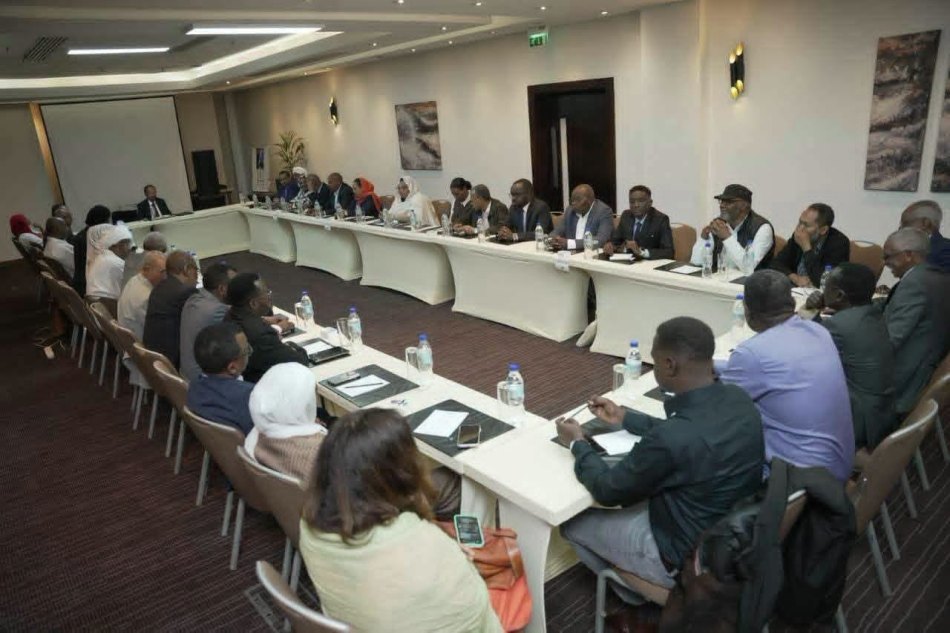
October 23, 2026 (KHARTOUM) – Participants in the fourth Sudan Peace Appeal forum demanded placing citizens at the heart of the security and military sector reform process.
They also called for civilian oversight and the rule of law over military, police, and security institutions.
Reforming the security and military sector is one of the most prominent issues linked to ending the war in Sudan.
This stems from the multiplicity of armed factions and faltering efforts to unify regular forces under a single, professional command accountable to civilian authority.
Reforming the military and security establishment remained contentious during the transitional period after the fall of President Omar al-Bashir’s regime in April 2019.
This was especially true for integrating the Rapid Support Forces into the army, establishing command-and-control arrangements, and defining the military’s role in political and economic life.
Forum participants emphasized during an online seminar that stopping the war and protecting civilians are linked to the future of the security sector.
This includes de-escalation arrangements, troop deployments, protecting cities, and preventing new armed groups from forming.
It also involves addressing the integration and demobilization of forces, accountability and transitional justice.
Participants discussed the need to separate the professional rights of regular force members, including wages, housing and job stability, from the interests of leaders tied to retaining power, economic influence or evading accountability for crimes.
The discussion noted that previous agreements failed not necessarily because of a lack of agreed-upon principles.
Instead, it linked this to weak implementation and oversight mechanisms, along with limited technical capacity to ensure military institutions’ subordination to civilian authority.
They explained that future work will include making data available to answer questions related to force integration and demobilization mechanisms.
This work will also focus on creating a safe environment to protect citizens during the transitional phase.
During the forum, based on a study of Sudanese perceptions and civilian, political, military, and police experiences, participants stressed the need to broaden the discussion on security sector reform.
They said it must move beyond the army’s future to include the nature of the state, the authority to use force, and the role of security institutions in protecting citizens.
At the conclusion of the forum, organizers announced that a final model or specific plan for security sector reform has not been adopted at this stage.
They confirmed they will continue reviewing and developing analytical outputs to prepare a strategic paper.