
Sudan lifts 20-month ban on Kenyan tea imports after diplomatic talks
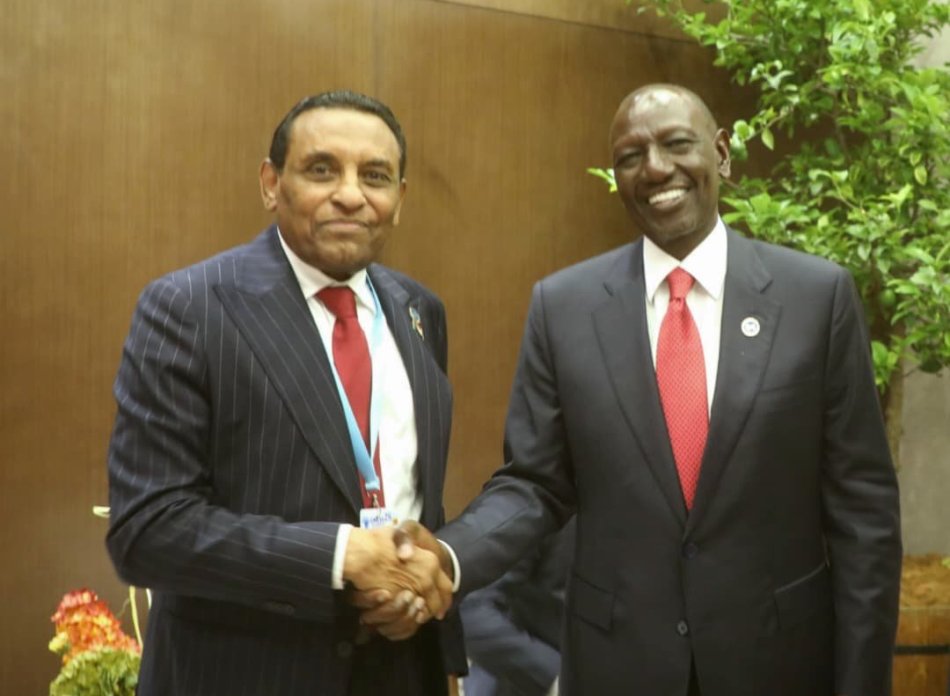
November 11, 2026 (KHARTOUM) – Sudanese authorities have lifted a ban on Kenyan tea imports following bilateral talks, ending 20 months of trade restrictions that disrupted Kenyan shipments to one of East Africa’s largest consumer markets.
Sudan’s Ministry of Industry and Trade issued a ministerial order ending the restriction, which was imposed in March 2025 after Khartoum accused Nairobi of hosting members of the paramilitary Rapid Support Forces (RSF).
An official at Sudan’s trade ministry confirmed to Sudan Tribune the decision to lift the curbs, which had blocked imports of Kenyan goods through all ports and land crossings. He said a formal statement would follow within hours.
Kenyan President William Ruto welcomed the reversal in a post on X, saying the breakthrough followed discussions with Sudanese Prime Minister Kamel Idris on the margins of the Common Market for Eastern and Southern Africa (COMESA) summit in Harare, Zimbabwe.
Ruto said the move restores market access for Kenyan exporters, protects farming livelihoods, and highlights the value of constructive dialogue. He added that Nairobi seeks stronger trade ties and shared regional stability.
Hashim Dawood Mohammadi, head of the tea and coffee importers division at the Sudanese Federation of Chambers of Commerce, told Sudan Tribune his group had not received formal notification of the directive and was relying on media accounts.
Mohammadi welcomed the diplomatic thaw, hoping resuming trade would broaden economic cooperation between the two nations.
He said Kenya is a major global tea hub, noting that landlocked producers such as Uganda, Rwanda, and Burundi ship through Kenyan ports, lowering freight rates and procurement costs for regional buyers.
Sudan imports between $80 million and $100 million worth of Kenyan tea annually, Mohammadi said. Including transit supplies from neighbouring nations, Sudan consumes around 80,000 tonnes of tea each year.
The March 2025 embargo immediately raised concerns across Kenya’s tea sector, prompting exporters, traders, and growers to push the government for a diplomatic resolution.
The East African Tea Trade Association had urged Nairobi to secure at least a one-month grace period from Khartoum to clear en-route cargo and curb financial losses.
Around 207 tea containers bound for Sudan were stranded along transport routes at the time, with additional volumes held in Mombasa warehouses.
Pressure on Ruto intensified following his remarks on April 1, 2025, claiming tea exports to Sudan had continued uninterrupted. The Sudanese embassy in Nairobi rejected the assertion as inaccurate, reiterating that the ban was strictly enforced.
The policy shift eases bilateral friction while restoring vital revenue streams to Kenya’s agricultural export base.