
Sudanese teachers’ committee warns of public education collapse amid private school expansion
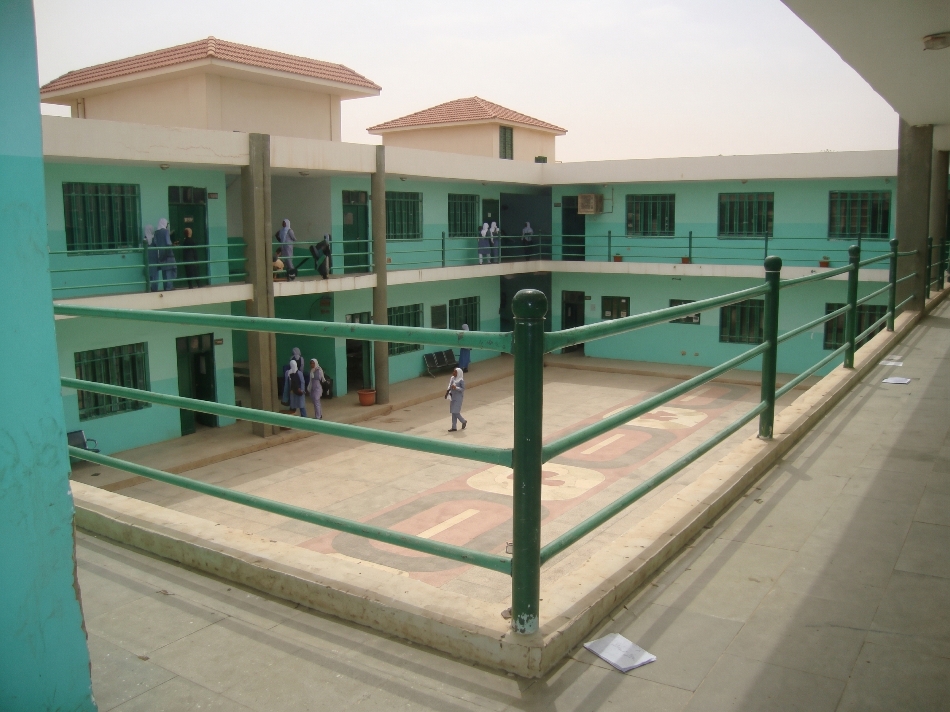
November 13, 2026 (KHARTOUM) – The Sudanese Teachers’ Committee warned on Friday of a rapid deterioration in public education as dozens of schools close and student and teacher numbers decline.
The committee said the ongoing conflict has widened the educational gap across regions, while a simultaneous expansion of private schools threatens the public sector’s future.
Many families have been forced to seek private education or relocate their children to more stable areas, highlighting affordability disparities.
Committee spokesperson Sami Al-Baqir told Sudan Tribune that several localities have merged public schools to address a severe shortage of functioning facilities.
He said some cases involved consolidating multiple schools into a single building after the original facilities ceased operations.
Citing field reports, Al-Baqir said the number of functioning public secondary schools in Khartoum State’s Ombada locality dropped from 48 to fewer than 20.
Operating schools face a severe decrease in attendance, with some classrooms holding only a few students amid high absenteeism, dropouts, and declining enrollments.
School closures and mergers extend beyond Ombada to the Karari, Khartoum, and East Nile localities.
Education authorities are trying to group affected schools to keep operations running despite security, economic, and administrative challenges.
Al-Baqir accused the government of facilitating private school expansion as public institutions deteriorate, noting a recent surge in private schools in Khartoum North.
Reports from the Higher Committee for Teachers’ Strikes on Thursday showed disruptions in several public schools due to declining attendance, repeated strikes, and administrative instability.
The expansion of private school licenses spans various educational levels and residential areas, while public education authorities cannot provide the minimum requirements to sustain operations.
Teachers and educational leaders are also facing worsening economic and living conditions.
Professional committees and union bodies are reviewing the feasibility of traditional strikes, citing authorities’ disregard for public education workers’ demands.
Strikes have historically helped teachers secure their rights, but Al-Baqir said the tactic has lost impact because no government can respond.
He accused unnamed parties of using the strikes to declare the collapse of public education and blaming teachers for the sector’s decline, rather than addressing structural, administrative, and economic causes.
Al-Baqir called for directing union and media efforts toward exposing policies aimed at gutting public education and weakening its institutions.
Continued deterioration will deepen the educational gap and threaten millions of students’ access to regular education, he warned.