
Sudan army fortifies El Obeid as paramilitary forces mass for assault, Yale report says
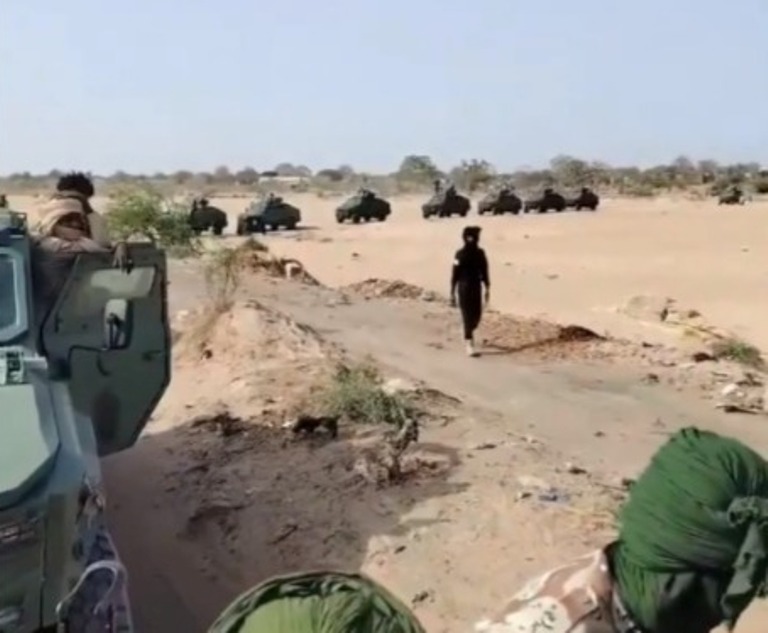
June 30, 2026 (KHARTOUM) – The Sudanese army has established at least 14 checkpoints and a 51-kilometre (32-mile) network of defensive berms and trenches around El Obeid, bracing for a sustained siege as paramilitary forces mass outside the strategic city, according to a report by the Yale School of Public Health’s Humanitarian Research Lab (HRL).
Satellite imagery analyzed in the report, titled “RSF Bombardment Accelerates Humanitarian Crisis in El Obeid, North Kordofan”, shows that the Sudanese Armed Forces (SAF) 5th Infantry Division has heavily fortified the capital of North Kordofan state. The Rapid Support Forces (RSF) have encircled the city from the west, north, and south, drawing international warnings over potential atrocities and reprisal killings against civilians if the city falls.
El Obeid holds major strategic importance as a central transport hub linking the capital, Khartoum, to the Kordofan and Darfur regions. A total capture of the city would sever SAF resupply routes and compromise its ability to project power across western Sudan.
Drone strikes accelerate displacement and water crisis
The paramilitary mobilization has been accompanied by a targeted drone and bombardment campaign that has degraded critical civilian infrastructure, forcing thousands of families to flee into overcrowded displacement camps. Satellite data recorded a sharp expansion at local camps, with more than 700 temporary structures erected in a single month as vulnerable populations seek refuge.
The influx of displaced people coincides with precise drone strikes on key utility targets. Bombardments struck at least eight fuel stations and the primary electrical substation between May 25 and June 25, triggering citywide blackouts and cutting off power to municipal water pumps. Drone strikes targeting the Grand Market, the Airport district, and the Al Hijana neighbourhood have further disrupted food supplies and standard commodities.
The infrastructure collapse has driven up the cost of a single barrel of drinking water from 9,000 to 25,000 Sudanese pounds. Aid agencies warn that severe food shortages, which have placed the locality at IPC Phase 4 (Emergency), combined with a lack of clean water, significantly increase the risk of cholera outbreaks among the city’s 563,000 residents and 105,000 displaced persons.
The lab warned that the RSF could carry out retaliatory killings against individuals perceived as army collaborators if El Obeid falls.