
Sudan seals infrastructure deals with Malaysian, Spanish firms to rebuild war-hit utilities
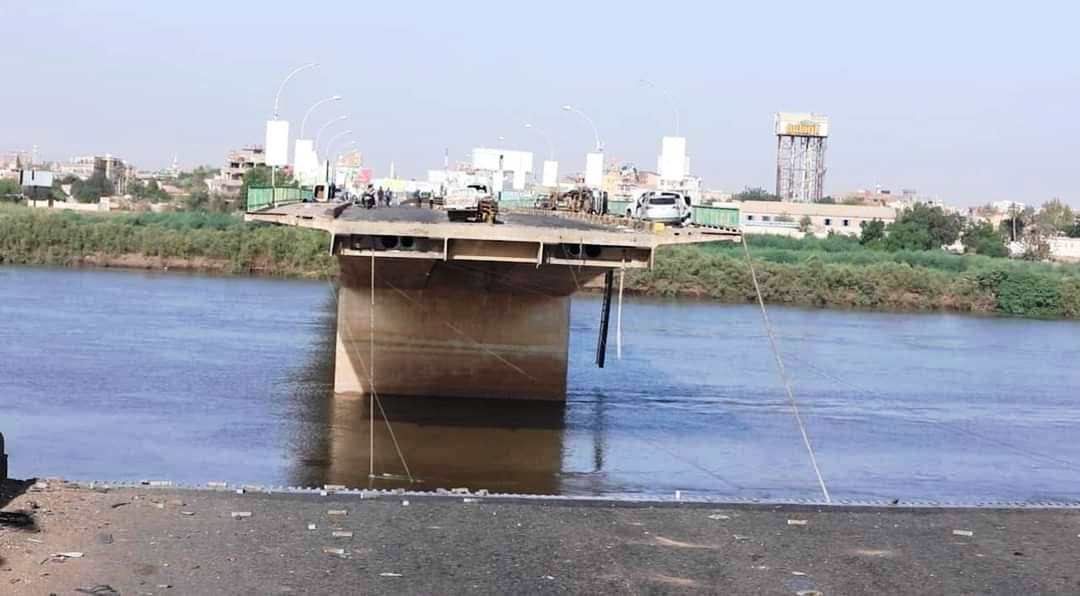
September 14, 2026 (KHARTOUM) – Sudan signed preliminary agreements on Monday with Malaysian and Spanish firms to invest in water, transport, and renewable power projects, seeking private capital and foreign partnerships to rehabilitate basic utilities battered by more than three years of civil war.
The four memoranda of understanding signed by the Ministry of Infrastructure and Transport partner Malaysia’s Al-Wafa Development Company and Spain’s ESESE on key commercial and utility ventures, including water provision for El Obeid and Red Sea State, maritime vessel financing, and solar energy installations.
The deals come as Khartoum attempts to stabilize public infrastructure crippled by fighting that erupted in April 2023 between the army and the paramilitary Rapid Support Forces, leaving state coffers depleted and essential utility networks severely impaired.
The projects will be backed by the Central Bank of Sudan and state-linked commercial lender Al-Neelain Bank, which will provide domestic financing mechanisms and credit guarantees, Infrastructure and Transport Minister Saif Al-Nasr Al-Tijani Haroun said.
Financial terms, total capital expenditure, and equity stakes were not disclosed.
Haroun said competitive tenders for the contracts would be launched within a month, with project rollout planned shortly thereafter.
The signing of the pacts reflects efforts to leverage bilateral commercial partnerships to restore revenue-generating transport routes and municipal water and power capacity, where severe supply bottlenecks have driven up operating costs for businesses and deepened humanitarian needs.
Red Sea State Governor Mustafa Mohamed Nour said the solar power initiative was critical to alleviating severe electricity shortages that have weighed on regional commercial activity around Port Sudan, the country’s primary economic gateway and temporary administrative hub.
The agreements mark a tentative attempt to bring foreign engineering and infrastructure groups back into Sudan, though international contractors still face steep operational hurdles, including currency volatility, high sovereign risk, and disrupted logistics corridors.