
Darfur
UN agency warns of imminent halt to Sudan emergency aid supplies
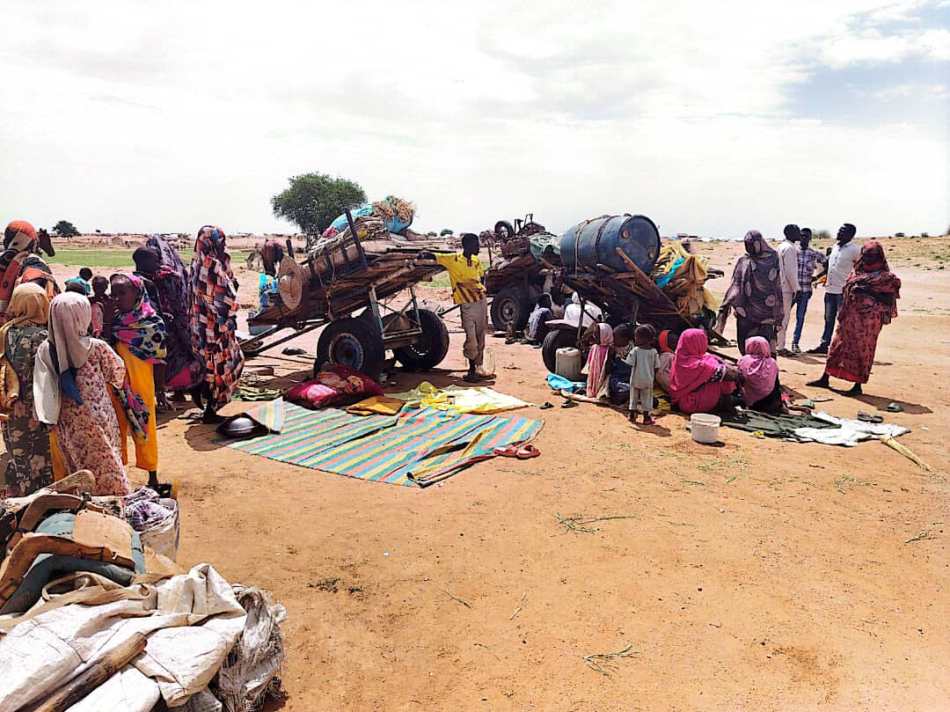
September 14, 2026 (PORT SUDAN) – Emergency shelter and relief supplies in war-torn Sudan could run out by the end of September without fresh funding, the International Organization for Migration warned on Monday, threatening to bring a critical aid pipeline to a standstill.
The United Nations migration agency said its Common Humanitarian Pipeline, a shared logistics lifeline that dispatches emergency provisions to more than 100 humanitarian partners across the country, is facing an imminent shutdown.
While emergency stocks of shelter, sanitation, and household supplies are set to be exhausted within weeks, the agency said it can sustain its warehousing and operational capacity only through December without immediate donor support.
“The entire humanitarian system could collapse within weeks if we don’t act now,” said Amy Pope, Director General of the IOM. “Without new funding, we won’t be able to get help where it’s needed most.”
Sudan has been gripped by heavy fighting since April 2023, triggering the world’s largest displacement crisis. Severe seasonal flooding and torrential rains have compounded the disaster, destroying makeshift shelters and driving repeated waves of displacement.
According to the IOM’s Displacement Tracking Matrix, roughly 8.6 million people remain internally displaced across Sudan, while 4.9 million have returned. Nearly 70% of internally displaced people are sheltering with host families or surviving in informal settlements.
The Common Pipeline has reached 2.84 million people since July 2023, but funding shortages have steadily curbed its reach. After assisting over 1 million people in 2024, deliveries dropped to 804,000 in 2025 and have served only 330,000 people so far in 2026.
IOM warned that dismantling the logistics hub would severely damage aid efforts, noting that rebuilding the procurement networks, warehousing, and partner coordination systems after an interruption would be costly and time-consuming.
Prolonged exposure to weather, untreated illness, and insecurity poses severe protection risks for displaced families, the agency said, warning of increased vulnerability to gender-based violence, forced evictions, and secondary displacement in overcrowded encampments.
The agency said it needs $15 million to maintain minimum operations for 305,000 people over the next 12 months. A $27 million injection would restore assistance to 2025 levels for 570,000 people, while $42 million would expand the pipeline to deliver lifesaving aid to 1 million people.