
Hundreds of Sudanese women jailed or face death over alleged paramilitary ties
September 17, 2026 (KHARTOUM) – Hundreds of women and girls across Sudan have been sentenced to prison or handed death sentences on accusations of collaborating with the paramilitary Rapid Support Forces (RSF), rights advocates say, after the war trapped them under the group’s control.
Many remained behind in Khartoum, Sennar, and Gezira states not by choice, but because soaring transport costs, exorbitant rents in safer areas, and poverty left them unable to flee.
The detentions highlight what human rights monitors describe as a pattern of broad criminalization in military-held zones, where civilians are punished by state courts for routine activities necessary to survive under RSF occupation.
Khadamallah Mousa Abdelghani, a trainee lawyer, has spent more than 18 months in Omdurman Women’s Prison after being arrested in February 2025 by military intelligence in the Al-Mazad district of Khartoum North.
A court initially sentenced Abdelghani to death in August 2025 under treason and collaboration statutes, before an appeals panel commuted the sentence to a 20-year prison term, which the Supreme Court later upheld.
Her relatives and local residents said the conviction rested on unsubstantiated accusations, insisting she had stayed in the district to help keep the community functioning after public services collapsed.
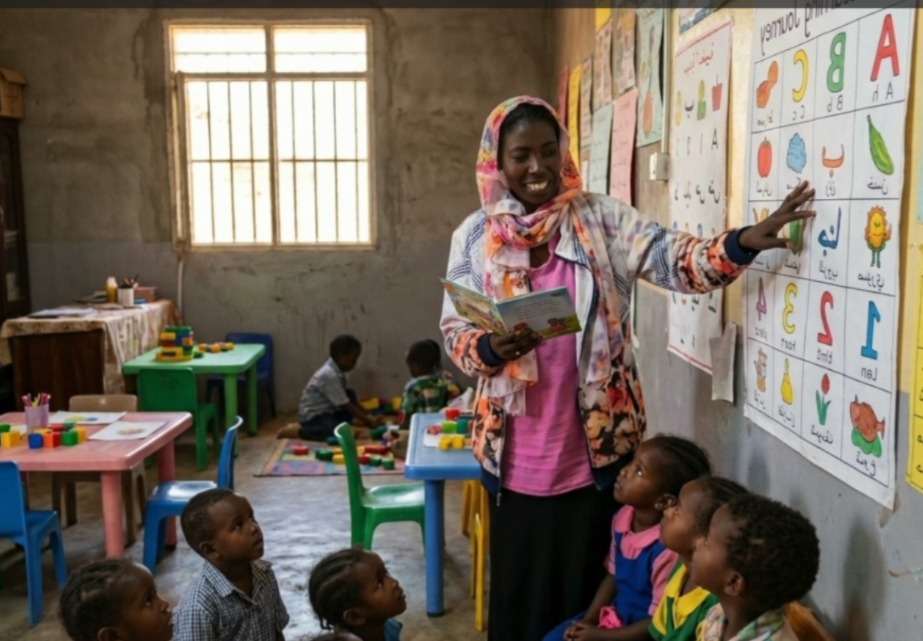
When local schools shut, Abdelghani organized informal classes for neighbourhood children alongside an imam at the local mosque, teaching Arabic, mathematics, and religious studies, residents said.
When the municipal water supply failed following the RSF takeover, she ferried drinking water from paramilitary checkpoints to distribute to trapped families and the elderly.
Rights experts argue that interacting with armed forces to secure basic food, water, or medicine constitutes protected civilian conduct under domestic and international law, rather than unlawful collaboration.
Hala Al-Karib, regional director of the Strategic Initiative for Women in the Horn of Africa (SIHA Network), said Abdelghani’s prosecution reflects a dangerous precedent that penalizes civilians for basic survival strategies.
“Acts dictated by necessity and community survival must not be treated as collaboration warranting life imprisonment, absent clear evidence showing criminal intent or material benefit,” Al-Karib said.
The Sudanese Armed Forces did not immediately respond to a request for comment on the legal proceedings or the detention of civilians in territory under its control.