
Amnesty calls for war crimes probe into RSF drone strikes in Sudan’s El Obeid
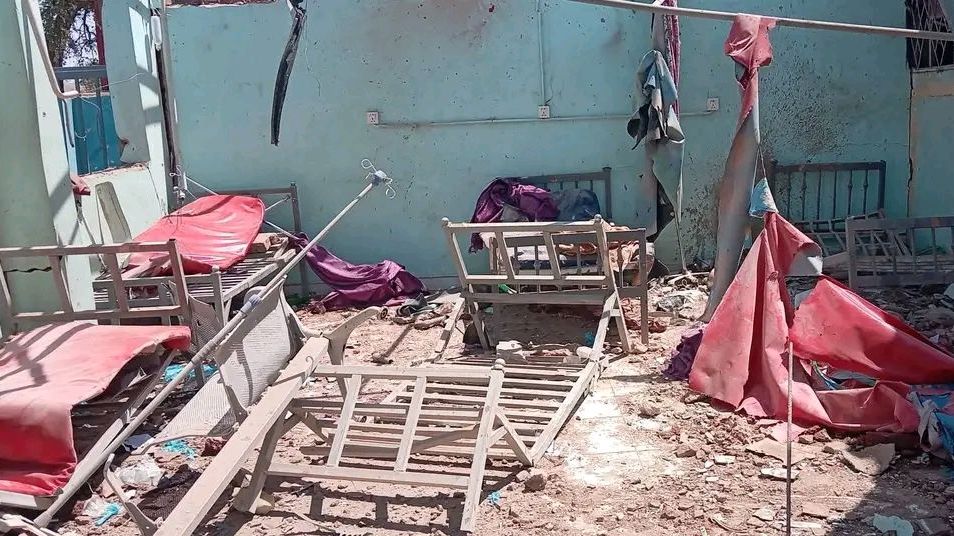
November 18, 2026 (LONDON) – Drone strikes by Sudan’s paramilitary Rapid Support Forces (RSF) on residential areas and civilian infrastructure in the city of El Obeid killed dozens of people and should be investigated as war crimes, Amnesty International said on Wednesday.
The rights group investigated nine RSF drone strikes in and around El Obeid, the capital of North Kordofan state, between June and August 2026, documenting 37 civilian deaths and 10 injuries.
Three of the strikes hit residential areas, four struck key infrastructure including the city’s power plant, fuel stations and main market, and two targeted moving vehicles, Amnesty said. It added that it found no military objectives near the sites.
El Obeid, a strategic highway hub controlled by the Sudanese Armed Forces (SAF) and allied fighters, has been under a partial RSF siege for nearly two years.
The RSF sharply escalated drone attacks in June amid reports it was preparing a ground offensive, raising fears of a repeat of atrocities committed when it seized El Fasher a year earlier.
“The RSF drone attacks we’ve documented must be investigated as war crimes,” said Amnesty Secretary General Agnes Callamard. “They indicate how the Sudan conflict is moving into a new phase where all parties are increasingly using drones and other advanced weapons not only to kill and injure civilians, but also to disrupt essential and lifesaving services.”
Callamard urged the United Nations and the African Union to urgently deploy a civilian protection force to Sudan.
In response to Amnesty’s findings on October 24, the RSF denied responsibility and blamed the SAF for civilian casualties in El Obeid without providing evidence. The group said it was considering forming a specialized committee to investigate incidents involving civilian casualties and property destruction.
Amnesty’s investigation, based on 29 interviews, satellite imagery and verified footage, detailed several deadly strikes.
On June 10, a drone hit mourners carrying a body for burial at the Dalil cemetery, killing at least five people. A day later, a strike on a home in the al-Matar neighbourhood killed at least nine civilians, including neighbours who had rushed to extinguish a fire from an earlier blast.
On July 6, a drone struck a vehicle carrying wedding guests near the village of al-Sha’toot, killing 13 civilians.
Infrastructure attacks have also crippled daily life. A June 18 strike on El Obeid’s main electricity station triggered a citywide blackout that disrupted water supplies.
Repeated strikes on fuel stations left almost none operational, driving gasoline prices to nearly $15 a litre, according to Médecins Sans Frontières.
Amnesty said the conflict was being sustained by foreign backers, saying it had previously documented the United Arab Emirates supplying the RSF with weapons and Chinese-made Wing Loong II and FeiHong-95 drones.
Callamard called on the U.N. Security Council to expand its Darfur arms embargo to the rest of Sudan and explicitly include drones.
According to the U.N. human rights office, drone strikes killed at least 1,120 civilians in Sudan during the first six months of 2026, accounting for 80% of all recorded conflict-related civilian deaths.
Amnesty said it was also investigating SAF drone strikes that had caused civilian casualties.