
Sudan fuel queues return as currency plunges past 8,000 to dollar
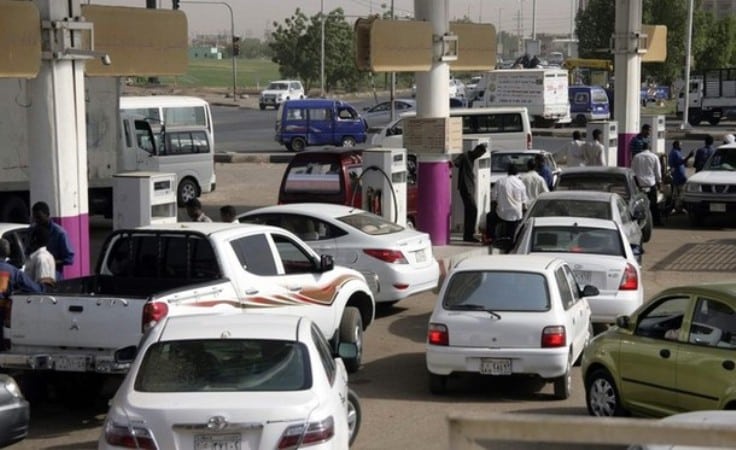
September 29, 2026 (KHARTOUM) Long queues returned to service stations across Khartoum and several regional states on Tuesday, highlighting a worsening fuel crisis compounded by a fresh collapse of Sudan’s currency to historic lows.
The Sudanese pound weakened past 8,000 per U.S. dollar on the parallel market, market participants said, reversing brief gains and driving steep inflation across transport, food staples, and basic utilities.
The shortages underscore mounting economic distress for households and businesses grappling with acute import bottlenecks and shrinking foreign currency reserves.
Pump prices for gasoline stood at about 37,000 Sudanese pounds per gallon, while black-market trades surged to 60,000 pounds, according to local traders. Diesel traded at 45,000 pounds at regulated outlets and fluctuated between 56,000 and 70,000 pounds on the informal market.
Motorists reported waiting hours for allocations, idling commercial fleets and public transport.
“I work one day, and the next day I spend queued for fuel,” said Abdallah al-Tom, a taxi driver in Khartoum who described waiting more than eight hours for gasoline.
Sudan’s cabinet met on Tuesday under Prime Minister Kamil Idris to review escalating macroeconomic pressures, the government said in a statement.
Ministers discussed emergency interventions outlined by Justice Minister Abdallah Mohamed Daraf to curb speculative pricing, monitor exchange rate movements, and stem further currency depreciation, Culture and Information Minister Khalid al-Aisir said.
The Ministry of Energy and Oil previously attributed retail congestion to failures in digital banking networks that slowed forecourt transactions, maintaining that supply pipelines and distribution logistics remained functional.