
US extends national emergency on Sudan for another year
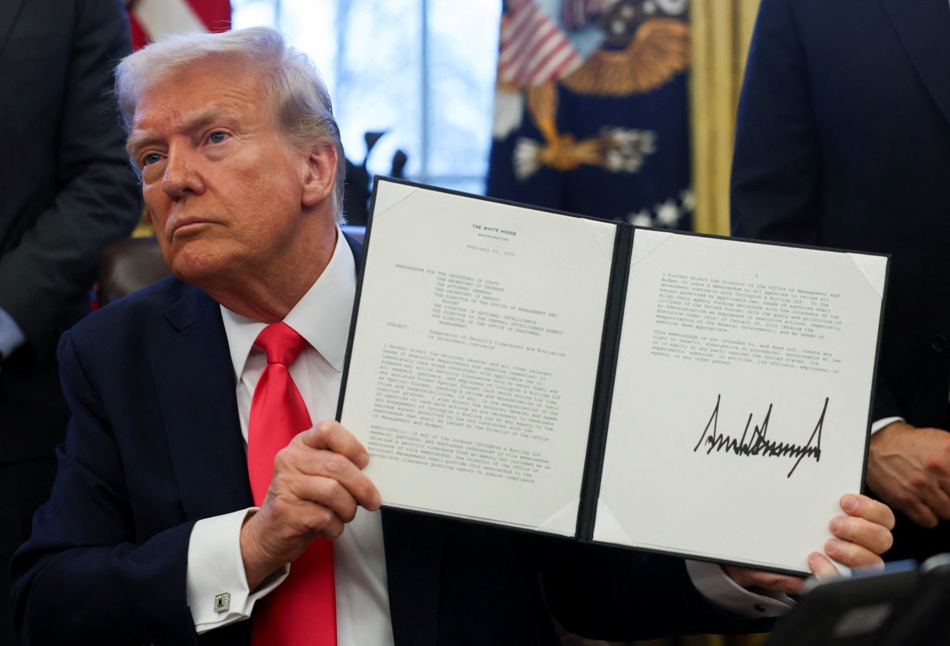
October 16, 2026 (WASHINGTON) – The United States has extended its national emergency declaration on Sudan for another year, keeping statutory sanctions authorities in place beyond Nov. 3, 2026.
President Donald Trump determined that the policies and actions of the Sudanese government, alongside the conflict in Sudan and the Darfur region, continue to pose an unusual and extraordinary threat to U.S. national security and foreign policy.
A White House notice dated Oct. 15 said the unresolved crisis across the country required keeping the emergency measures in effect.
The decision extends a national emergency originally declared in November 1997 under Executive Order 13067. That declaration was expanded in April 2006 under Executive Order 13400 to address human rights abuses and violence in Darfur.
The scope was widened further in May 2023 under Executive Order 14098, following the October 2021 military coup and the outbreak of fighting between rival armed factions in April 2023.
Although Washington revoked certain broad trade and financial sanctions in October 2017 after noting progress by Khartoum, successive administrations have preserved the emergency framework to penalize actors undermining stability.
The notice has been transmitted to the U.S. Congress and submitted for formal publication in the Federal Register.
Extending the national emergency under the International Emergency Economic Powers Act provides the primary legal foundation for U.S. sanctions targeting Sudan. Without an annual renewal, Washington’s legal authority to freeze assets, restrict dollar transactions, and penalize individuals or corporate entities fueling the conflict would automatically expire.
The renewal also maintains diplomatic pressure on the warring parties, allowing U.S. officials to deploy targeted economic measures against commanders and foreign networks financing the war while pushing for a ceasefire and humanitarian access.