
Over 324,000 cross from South Sudan into Sudan in 18 months, UN says
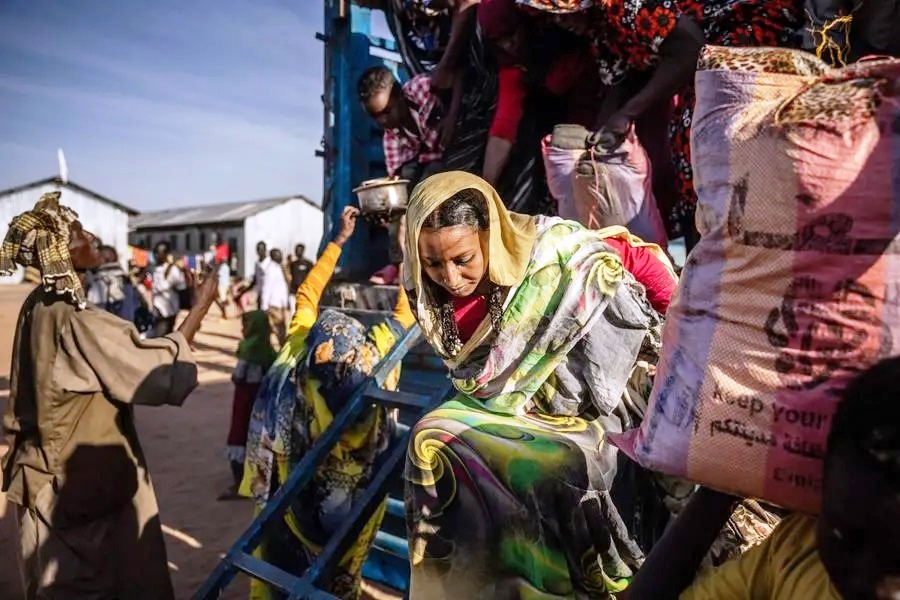
October 15, 2026 (KHARTOUM) – The U.N. refugee agency (UNHCR) revealed on Thursday that more than 324,000 people have crossed from South Sudan into Sudan over the past 18 months.
The arrivals include 223,000 Sudanese returnees fleeing instability across the border.
Sudan has seen a growing influx of refugees in recent months despite its ongoing conflict.
The country currently hosts nearly 910,000 refugees, including 689,000 from South Sudan.
The UNHCR said in a report that 324,631 people have arrived in Sudan from South Sudan since April 2025.
This figure includes 101,031 South Sudanese nationals and 223,600 Sudanese returnees.
The agency noted the movement was linked to political instability and escalating hostilities between armed groups in South Sudan.
Repeated clashes since late February 2025 led to large-scale displacement in Upper Nile state before extending into Jonglei state.
Escalating fighting in Jonglei worsened the protection environment, pushing more people toward Sudan.
South Sudanese refugees primarily arrived in four states, led by White Nile, which received 52% of the influx.
Blue Nile state received 20%, followed by South Kordofan (11%) and West Kordofan (10%).
White Nile state accommodated 210,965 Sudanese returnees, while Blue Nile received 20,238, with the remainder distributed across South and West Kordofan.
An estimated 5.1 million Sudanese have returned to their homes, according to an International Organization for Migration report published on Sept. 21.
Widespread fears remain that these populations could face secondary displacement because of a severe lack of services in return areas.
The returns are largely linked to improved security after the Sudanese army regained control of Khartoum, Gezira, Sennar, and parts of North Kordofan.
However, a scarcity of jobs, destroyed infrastructure, and a depreciated local currency have severely complicated recovery efforts.
The UNHCR report identified significant humanitarian gaps in reception areas, particularly in White Nile state.
Sanitation and hygiene services remain critically needed, leading to continued open defecation.
This increases health and protection risks associated with waterborne diseases, including cholera.
Food assistance remains insufficient in Blue Nile state, where many families still lack adequate shelter and essential non-food items.
The agency stressed that the continuous influx of refugees, combined with returning Sudanese, is placing immense pressure on basic services.