
Sudanese army and RSF wage silent economic war amid military conflict
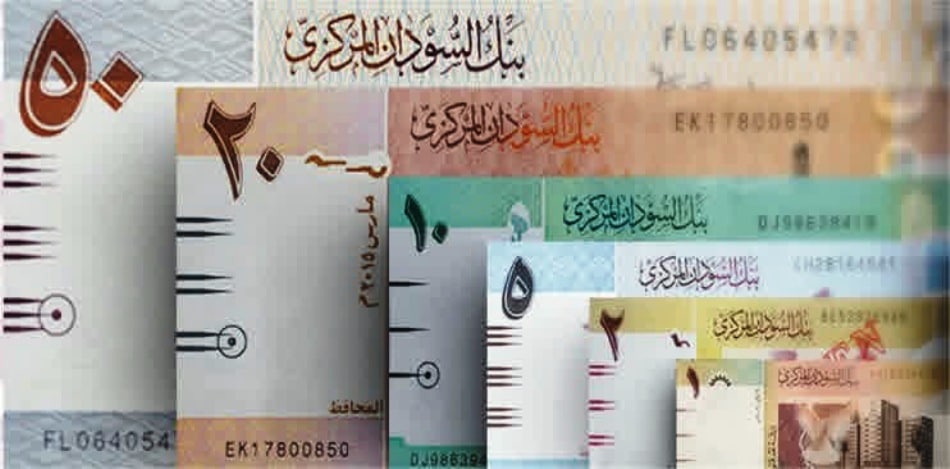
November 1, 2026 (KHARTOUM/NYALA) – The Sudanese army and the paramilitary Rapid Support Forces (RSF) are waging a silent economic war alongside their fierce military battles across multiple frontlines.
The economic and monetary gap between areas controlled by the two sides is widening daily, driven by mutual plans to restrict liquidity, control currency exchanges, and dominate parallel exchange markets.
This divide is evident in the stark disparity in foreign currency exchange rates. In areas controlled by the Sudanese government, the U.S. dollar sold for between 9,800 and 10,200 Sudanese pounds on the parallel black market on Sunday.
Conversely, RSF-controlled areas, specifically Nyala in the Darfur region, are experiencing a massive pricing discrepancy. The cash dollar rate ranges between 4,600 and 5,500 pounds, while the rate for digital transfers exceeds 6,500 pounds because of a severe shortage of physical cash and strict limits on the movement of funds.
Sources in Nyala told Sudan Tribune that the RSF relies on a hybrid financial system. This system utilizes circulating Sudanese pound denominations, including older 2022 issues, alongside limited use of neighbouring currencies like the Chadian franc and South Sudanese pound for daily commercial trade.
The sources noted a heavy reliance on banking applications and digital transfers managed by parallel financial brokerage networks. These networks charge exorbitant commissions amid communication blackouts and the logistical difficulty of transporting cash between cities and rural areas.
Concordant sources in several regions confirmed to Sudan Tribune that cash transport and banknote exchanges between the two territories face tight security surveillance and strict inspections at military checkpoints.
Sudanese security authorities classify transporting large amounts of paper cash as suspicious financing or illegal liquidity accumulation.
In response to these restrictions, parallel brokerage and trading networks have emerged to transport and trade funds informally via desert roads and alternative routes, charging high commissions deducted from the transferred amounts.
The sources also highlighted a clearing system that relies on electronic transfers in army-controlled areas in exchange for delivering physical cash inside RSF-controlled territories, and vice versa. These transactions involve large price differences based on transfer volume and the availability of paper currency.