
Khartoum bakeries close amid severe flour and power shortages
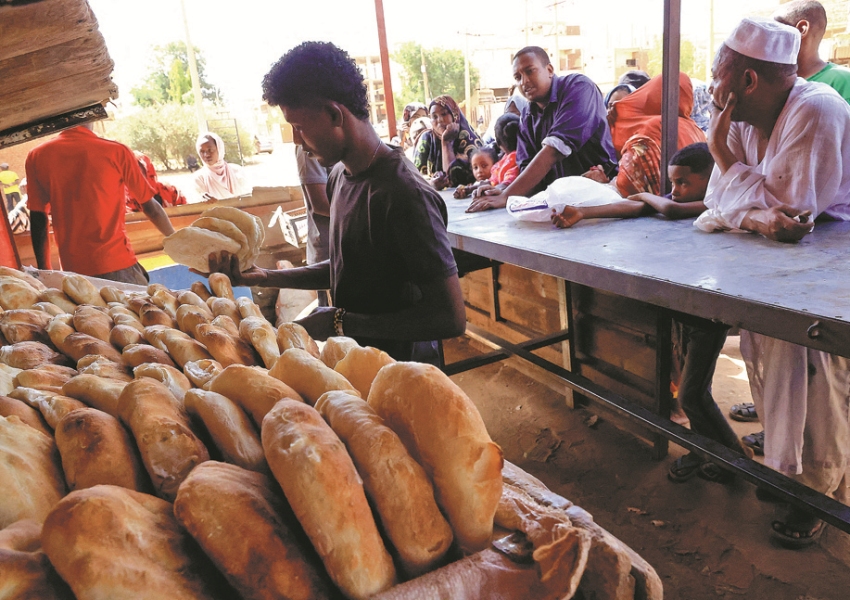
November 1, 2026 (KHARTOUM) – Dozens of bakeries across the Sudanese capital have closed because of flour shortages, power outages, and a lack of diesel, deepening a severe bread crisis for local residents.
Khartoum and several other states are experiencing recurring fuel and transportation shortages, forcing families to seek alternative ways to meet their daily food needs.
Issam Okasha, deputy head of the Bakeries Union, told Sudan Tribune on Sunday that the crisis in Khartoum state has sharply escalated.
He attributed the bakery closures to severe shortages of flour and diesel, alongside frequent electricity cuts, which have crippled production capacity.
Okasha identified the diesel shortage as a primary challenge, noting that bakeries rely heavily on fuel to operate generators during power blackouts.
This lack of stable power has forced a significant number of bakeries to halt operations, particularly in rural areas.
Wheat allocations to flour mills remain irregular, Okasha said, adding that the mills themselves are producing less.
Supply deliveries fluctuate daily and are sometimes delayed for up to a week, severely restricting the flour available for bakeries.
Bakeries in Khartoum consume an estimated 45,000 sacks of flour, weighing 50 kilograms each, daily.
Okasha could not provide an exact figure for the number of closed bakeries, citing the absence of a comprehensive database since the military regained control of the state in May 2025.
He noted that implementing a new flour subsidy system would require massive financial resources.
Subsidizing the estimated 200,000 sacks needed daily across army-controlled states is a burden the government cannot currently afford given its limited resources, he added.
Okasha also dismissed reports that subsidized flour distribution is ongoing, stating the previous subsidy program ended more than five years ago.
Since Oct. 9, several bakeries in Khartoum state have increased bread prices to 500 Sudanese pounds per loaf, driven by rising production costs and the continued depreciation of the local currency.
Comprehensive official statistics on the total number of operational bakeries in Khartoum state are unavailable due to the ongoing war.
Pre-war data indicated the state had approximately 2,860 bakeries. Recent partial figures from September 2026 show that only 275 bakeries are authorized to operate within the Khartoum locality itself.