
Sudan receives veterinary vaccine seeds to revive domestic production
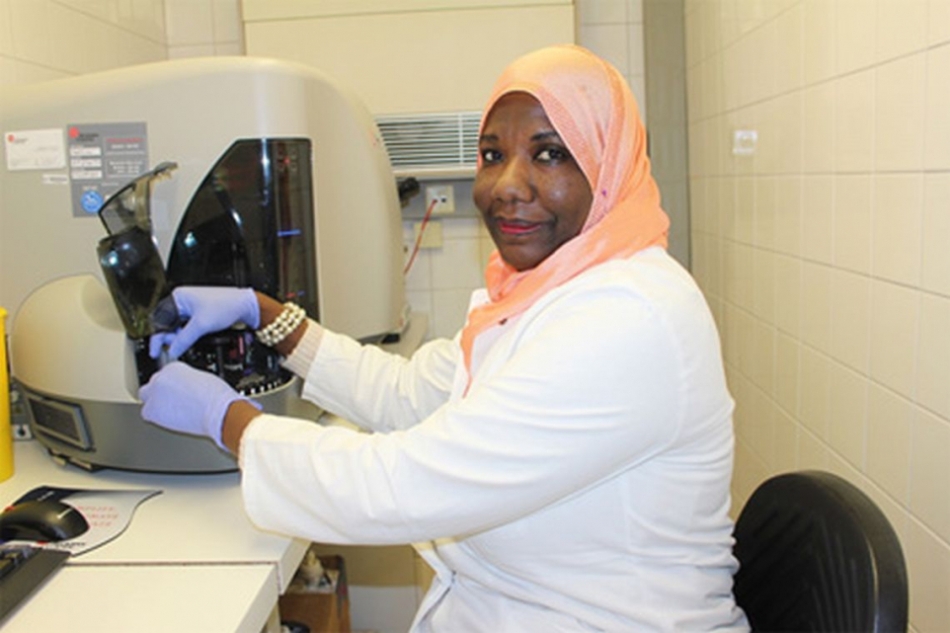
November 21, 2026 (KHARTOUM) – Sudan has received a shipment of veterinary vaccine seeds from an African Union reference laboratory in Addis Ababa, authorities said on Saturday, marking a first step toward restoring domestic vaccine production for a livestock sector battered by war.
The Ministry of Animal Resources and Fisheries said in a statement that the shipment will allow the Central Veterinary Research Laboratory to resume manufacturing vaccines to combat animal diseases and protect the national herd.
Khalida Abdel Aziz Khalifa, director of the central laboratory, said the shipment includes seed strains for peste des petits ruminants (PPR), lumpy skin disease, contagious bovine and caprine pleuropneumonia, anthrax, and blackleg.
She said securing the seeds represents a major step in rehabilitating the facility, improving veterinary services, and reducing Sudan’s reliance on imported vaccines.
Sudan’s war, which erupted in April 2023, has severely damaged veterinary infrastructure and research facilities in Khartoum, halting vaccine and serum production. Power outages and disrupted cold chains have also hindered vaccine storage and distribution across the country’s states.
The collapse of routine vaccination programs and shortages of veterinary medicines have triggered the resurgence of previously controlled diseases, including hemorrhagic septicemia, anthrax, sheep and goat pox, and foot-and-mouth disease, causing livestock deaths in production areas.
The conflict has also led to pasture and feed shortages, surging prices, and farm looting. Khartoum state has lost between 69% and 80% of its herd, roughly 320,000 head of cattle, while Gezira state has lost about 100,000 head.
Damage to quarantines, slaughterhouses, and processing plants, alongside severed supply chains and transport routes, has further disrupted grazing and livestock exports.
To address the feed crisis, Prime Minister Kamil Idris last week exempted imported maize from customs duties and additional fees, and waived import duties on soybean meal, in a bid to curb rising production costs and animal product prices.
Even before the war and drought, Sudan’s annual feed deficit was estimated at about 14 million metric tons of dry matter. Continued exports of fodder and feed ingredients, despite the local shortfall, remain a key challenge to the sector’s sustainability.