
Millions in Sudan face shelter crisis as emergency stocks run dry, U.N. warns
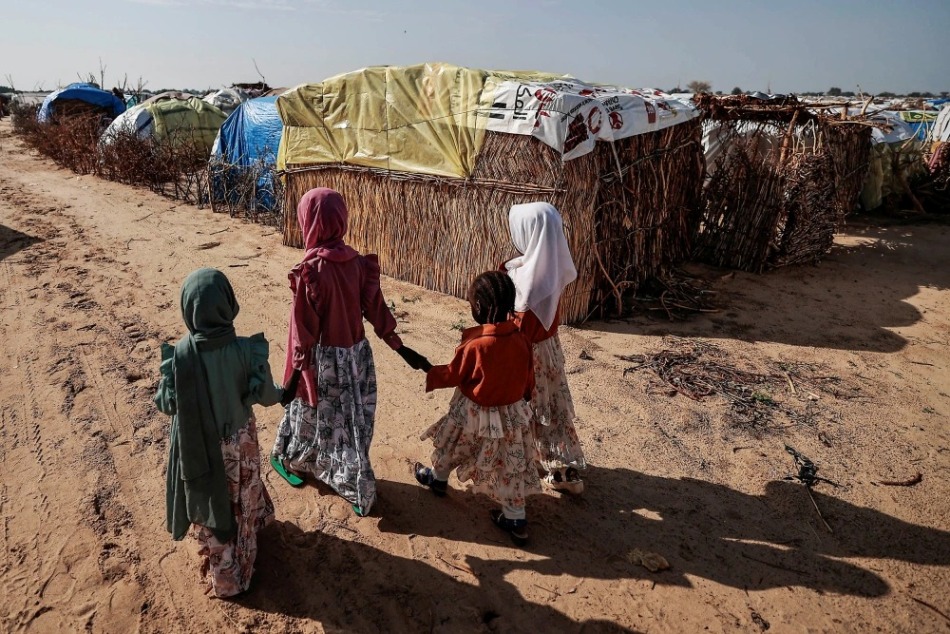
November 6, 2026 (GENEVA) – Millions of displaced people in Sudan are at risk of losing emergency shelter ahead of winter as humanitarian warehouses empty and funding runs out, United Nations agencies warned.
More than three and a half years into the conflict, an estimated 13.4 million to 15.4 million people in Sudan urgently require emergency shelter.
However, severe funding shortfalls mean aid organizations can only reach a fraction of those in need.
Speaking from Khartoum to a U.N. briefing in Geneva, Abubakarr Jalloh, the U.N. refugee agency (UNHCR) deputy representative in Sudan, said only 35% of the $179 million required for the collective shelter response this year has been funded.
The International Organization for Migration (IOM) reported that its warehouses in the country are now completely empty.
IOM Sudan Chief of Mission Mohamed Refaat said the agency recently distributed its last available stock, sending 16 trucks to Darfur.
Refaat said IOM had to scale back its response to target just one in 10 people needing shelter, but even within that reduced scope, it has reached only 900,000 people.
Almost 15 million people have been uprooted by the war or are attempting to rebuild in devastated areas.
Three out of four displaced persons are women and children, making privacy and secure shelter critical for their safety.
The conflict has recently spread to new frontlines, including Blue Nile state, displacing nearly 120,000 people there since January.
Approaching winter weather threatens to exacerbate the crisis, with nighttime temperatures in Darfur and northern Sudan expected to plummet.
Jalloh noted that extreme inflation and El Niño-linked harvest disruptions have pushed staple grain prices up by 40% in September alone.
He said that for families who have lost everything, every Sudanese pound spent on expensive food is money that cannot be spent on blankets or materials needed for safe shelter.
Delivering aid also remains highly dangerous, further complicating relief efforts.
UNHCR trucks were targeted by drone strikes twice this year, destroying emergency shelters and supplies for over 1,300 families in White Nile state.
While some 5.2 million people have returned to northern Sudan, they often find their homes destroyed, looted, and lacking basic healthcare or water, forcing many to flee again.
Refaat warned that if emergency supplies cannot be delivered at scale within Sudan, the massive displacement crisis will inevitably spill over and impact neighbouring countries.