
Severe fuel crisis suffocates Sudan, threatens famine and economic collapse
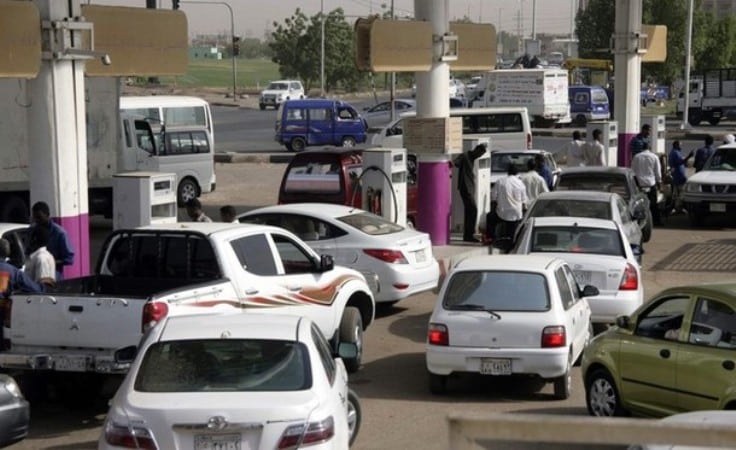
November 6, 2026 (KHARTOUM/NYALA) – Areas controlled by the Sudanese army and the Rapid Support Forces are experiencing an unprecedented scarcity of petroleum products.
Severe fuel shortages are worsening living crises and complicating the humanitarian situation to an unprecedented degree.
Eyewitnesses and citizens in Khartoum, Nyala, Port Sudan, and other cities told Sudan Tribune that recent airstrikes by both sides have directly affected vital civilian infrastructure.
The price of a gallon of gasoline in most Khartoum fuel stations reached about 48,800 Sudanese pounds ($4.80).
Diesel reached 45,000 pounds, equivalent to about $4.50.
In Nyala, gasoline reached about 50,000 pounds ($5), and diesel about 45,000 pounds ($4.50).
In Port Sudan, gasoline reached 46,000 pounds and diesel 42,000 pounds.
Devastating blow to agriculture
Three farmers in Gedaref, Al Jazirah, and Sennar states told Sudan Tribune that the agricultural sector is receiving a devastating blow.
The lack of fuel and diesel has made it impossible to operate irrigation pumps and agricultural machinery.
This shortage has sharply reduced cultivated areas and led to the loss of strategic crops such as sorghum and wheat.
The farmers noted that the agricultural deficit coincides with seasonal droughts and a lack of rainfall in several states.
They warned this combination could push the country to the brink of a comprehensive famine.
Thousands of farmers and residents have already fled villages facing food scarcity in search of relief and shelter.
The Sudanese government has refused to acknowledge a food crisis.
Minister of Finance Gibril Ibrahim affirmed in recent statements that external claims about Sudan approaching famine are untrue.
He argued these allegations are not based on objective facts and said the government is mobilizing resources to ensure food security.
Humanitarian aid paralyzed
Aid activists said the current fuel shortage has led to a near-total paralysis of United Nations and international relief convoys.
This has prevented food, medicine, and urgent supplies from reaching millions of displaced people and children at risk of severe acute malnutrition.
Activists told Sudan Tribune that transportation and logistics costs between states have skyrocketed beyond relief agencies’ capacity.
Transporting a single food shipment now requires double the budget to secure fuel from informal markets at exorbitant prices.
This financial strain has severely shrunk the scope of the humanitarian response in camps and besieged areas.
Catastrophic economic contraction
Reports from international institutions, including the United Nations Development Programme and the World Bank, confirm a catastrophic economic collapse.
The Sudanese economy has contracted by a cumulative rate exceeding 40% since the conflict began.
This contraction has plunged the country into its deepest economic crisis since the 1990s.
Unemployment has soared to a record high of more than 47%.
Institutions, companies, and factories have come to a complete halt, while government revenues have declined to less than 5% of gross domestic product.
State apparatuses have been stripped of their ability to stabilize the economy or provide basic services.
UN reports warn that if the conflict continues, poverty rates in Sudan will exceed 70% to 80%.
Most of the population would live on less than two dollars a day with a total absence of social safety nets.
Market collapse and Russian proposals
Mohamed Ibrahim Al-Hamdabi, a merchant in the Atbara market, said the complete erosion of citizens’ purchasing power is the clearest sign of this collapse.
The middle class, including employees, artisans, and small business owners, has largely disappeared.
Most of these individuals have slipped below the poverty line and joined the ranks of aid recipients.
Al-Hamdabi confirmed that retail sales have largely halted because of the pound’s continued decline against the dollar.
Amid these crises, the Sudanese government is engaging in intense discussions with international partners.
Most notable are proposals directed at Russia to establish a free economic zone and fuel storage facilities on the Red Sea coast.
These partnerships raise sharp questions about their practical feasibility in securing urgent fuel for the population.
Economists warn that the complex mix of the manufactured fuel crisis, hyperinflation, and alternative port economies shows Sudan is fighting a structural battle for survival.
Food, warmth, and movement have been transformed into tools of war, demanding international action to neutralize infrastructure from the armed conflict.