
Thousands flee Darfur to Chad amid worsening humanitarian crisis
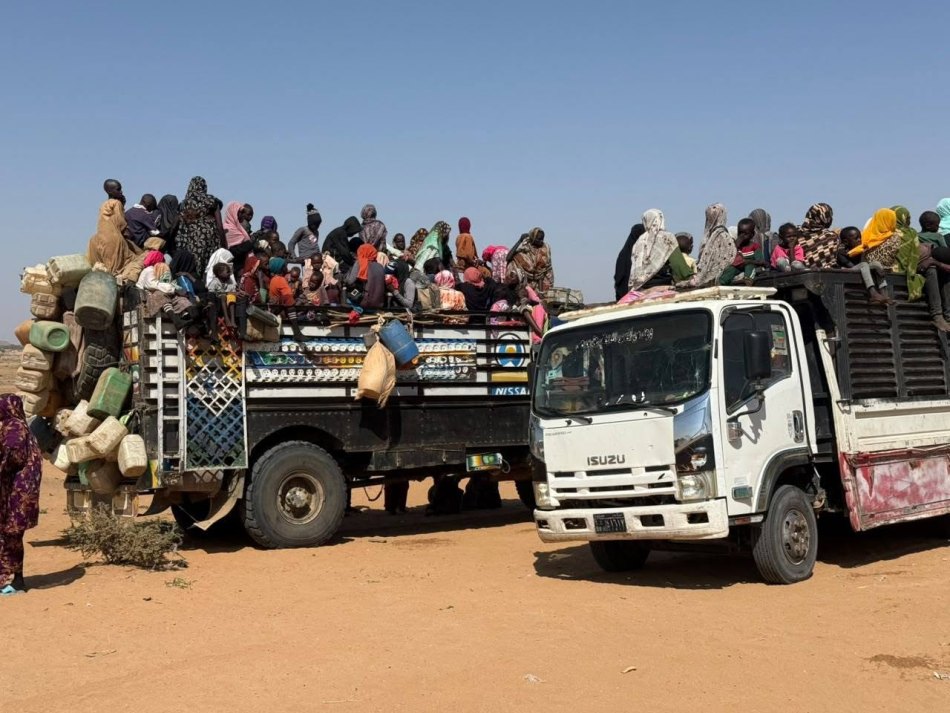
November 9, 2026 (TAWILA) – Deteriorating living conditions, a failed agricultural season and the ongoing war have forced about 2,510 people to flee the Darfur region for Chad.
Hundreds of families have also been displaced from various areas to other locations within the region.
The new wave of displacement reflects the expanding scope of the humanitarian crisis and worsening basic needs.
Darfur is witnessing a continuous deterioration in humanitarian conditions as the war continues and displacement expands.
Local communities face increasing pressure from declining economic activity, disrupted income sources, a failed agricultural season, and a shortage of rainfall.
The intersection of these factors has exacerbated food insecurity, pushing more residents to leave their areas in search of food, safety and livelihoods.
Adam Rijal, spokesperson for the General Coordination of Displaced Persons and Refugees, told Sudan Tribune that about 2,510 people have crossed the border into Chad to escape hunger and a lack of livelihoods.
He warned of the deteriorating humanitarian conditions for Sudanese refugees, especially those arriving from Darfur, amid growing needs and the declining capacity of aid organizations.
Refugees face a severe food shortage and soaring prices, alongside a decline in food aid, Rijal said.
This has increased families’ reliance on humanitarian interventions to secure their basic needs.
Refugee reception centres suffer from overcrowding, a significant shortage of housing and tents, limited access to clean drinking water and poor sanitation services.
The health sector lacks medical services and medicines, increasing the risk of disease outbreaks and malnutrition, particularly among children.
Women and children face growing risks related to violence, exploitation and family separation during displacement and after arriving in asylum areas.
Rijal attributed the worsening crisis to a decline in humanitarian funding, which has negatively impacted the ability of aid organizations to respond to growing needs.
He called for urgent intervention to provide food, shelter, drinking water and healthcare, and to strengthen protection services for vulnerable groups.
In a statement on Monday, Rijal warned of the continuous deterioration of humanitarian conditions in the Tawila area of North Darfur state.
The influx of families fleeing conflict, hunger, and drought continues, increasing pressure on basic resources and services.
The number of new arrivals at reception areas between Oct. 15 and Nov. 6 reached 538 families, comprising about 3,227 people, with new families continuing to arrive in recent days.
Recent waves of displacement included areas in North Darfur state and the Mershing locality of South Darfur state, with hundreds of families arriving in Tawila, Shangil Tobaya and Nertiti.
Tawila faces worsening humanitarian challenges, most notably severe shortages of food and drinking water, a decline in health services and the spread of malnutrition among children.
This is in addition to overcrowding in displacement shelters and a major lack of housing and basic supplies.
Tawila is no longer just an area receiving waves of displacement, but is now facing an escalating humanitarian crisis that requires an urgent response, Rijal said.
He called on aid organizations and the international community to intensify urgent interventions to provide food, medicines, drinking water and shelter.
The continued deterioration of conditions could lead to new waves of displacement and a widening circle of humanitarian needs in the region, he warned.