
RSF-aligned coalition says Quintet agreed to send delegation to Nyala
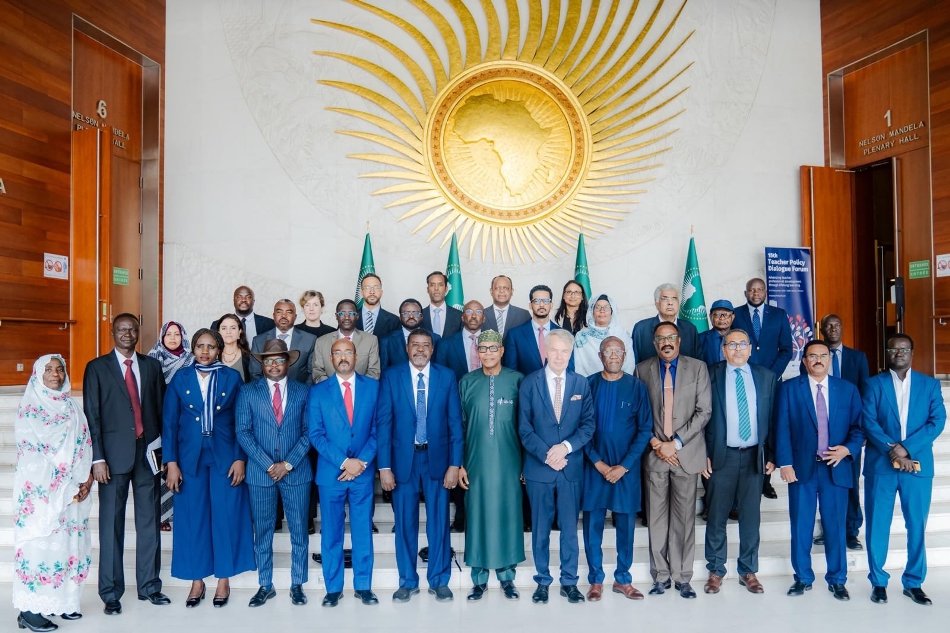
November 26, 2026 (ADDIS ABABA) – The Sudan Founding Alliance, known as “Tasis,” said on Thursday it had agreed with a five-member international mediation to send a delegation to Nyala, the capital of South Darfur state, to meet alliance leaders and assess conditions on the ground in areas under its control.
Tasis is the political wing of a parallel administration established by the paramilitary Rapid Support Forces (RSF) in its western Sudan strongholds. RSF commander Mohamed Hamdan Dagalo, known as Hemetti, chairs the coalition’s presidential council.
Representatives from Tasis, led by presidential council member Al-Tahir Hajar, met with the Quintet at the African Union headquarters in Addis Ababa on Wednesday.
The five-member group comprises the United Nations, the African Union, the European Union, the Arab League, and the East African bloc IGAD.
These regional and international bodies have previously refused to recognize the parallel government announced by the RSF in Nyala, warning that the move threatens to partition Sudan.
Sources within Tasis told Sudan Tribune on Thursday that the meetings saw sharp disagreements and lengthy discussions over the stance of certain Quintet members toward the Khartoum-based authority.
The sources said the Tasis delegation demanded strict neutrality from the mechanism and objected to statements by Mohamed Belaiche, head of the AU liaison office in Sudan, accusing him of openly backing the government in Khartoum.
Tasis spokesperson Ahmed Tugud Lissan said in a statement that both sides agreed on the need to advance the political process and create conditions for effective participation.
Lissan said the delegation warned the Quintet that conflicting statements among its members undermine its cohesion and ability to manage a successful political process, while urging clarity on a September 12 “Quad statement” as a viable roadmap.
Hajar reiterated his criticism in a Facebook post following the talks, accusing some Quintet members of playing negative roles that cast doubt on their impartiality, while adding that his group remains open to any serious peace initiative.
During the opening session, Hajar criticized the mechanism’s refusal to recognize the parallel administration, describing the Khartoum authorities as illegitimate and pointing to what he called supportive stances toward them by AU and Arab League officials.
Meanwhile, the United Nations described the Addis Ababa consultations as an opportunity to address concerns and clarify questions Tasis raised about deteriorating security and humanitarian conditions.
U.N. spokesperson Stephane Dujarric said the Secretary-General’s Personal Envoy Pekka Haavisto took part in the talks, which form part of ongoing outreach to Sudanese political and civil forces to end the war and encourage an inclusive, Sudanese-led dialogue.