
Sudan’s RDC warns of split in civilian alliance over RSF’s proposed parallel government
January 26, 2025 (LONDON) – A spokesperson for the SPLM-N Revolutionary Democratic Current (RDC) warned on Sunday of a potential split within the civilian alliance “Tagadum” over the Rapid Support Forces (RSF) proposed parallel government.
The RDC, led by Yasir Arman, voiced concerns about Taqadum’s potential involvement in the initiative, which would see a separate administration established in RSF-controlled territories. Prominent figures within Tagadum, including National Umma Party leader Fadlallah Burma Nasir, have recently discussed the matter with the RSF.
This development follows the Sudanese army’s recent battlefield gains, including the recapture of the General Command headquarters, which reportedly prompted the RSF to suspend consultations on the parallel government with various political groups.
“There is no way to preserve the civilian and democratic nature of the Taqadum alliance if it participates in a parallel government or sides with any party to the war,” RDC spokesperson Nizar Youssif said in a statement. He urged a rejection of the parallel government and a continued focus on ending the conflict, fulfilling the goals of the 2018 revolution, and establishing a civilian-led state.
Babikir Faisal, a senior Tagadum leader, acknowledged the risk of a split within the alliance over the issue. “It is challenging to have a faction calling for the formation of a government and another against it within a unified alliance with a single organizational channel,” he told Al-Tagheer.
Faisal explained that some within Tagadum view a parallel government as a means to address grievances citizens face in RSF-controlled areas, including difficulties obtaining identity documents, sitting for exams, and exchanging currency.
Faisal cautioned that such a move could divide the country and weaken civilian forces striving for national unity.
RDC pushes for civilian rule, national dialogue
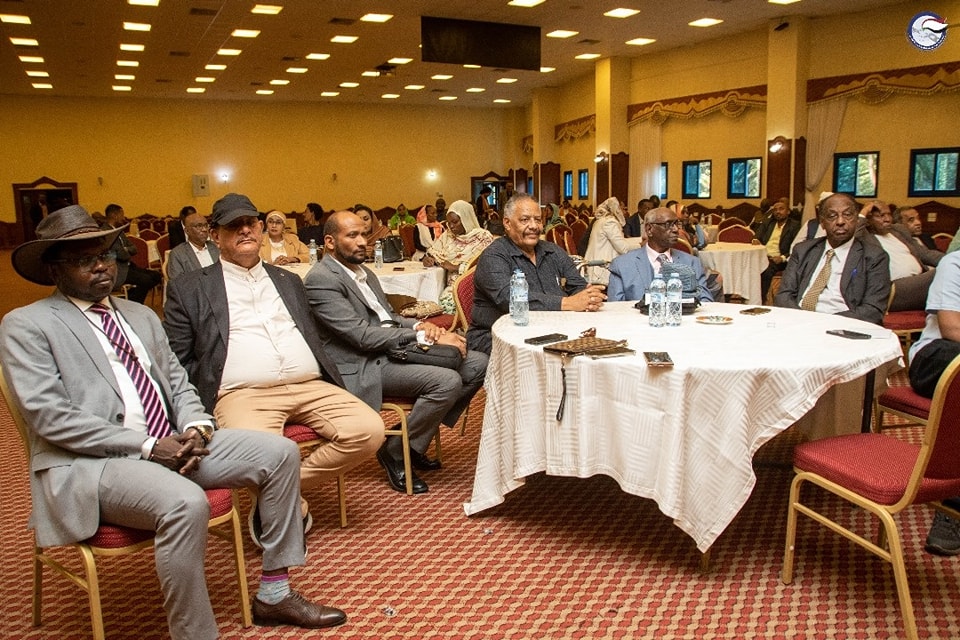
Meanwhile, the RDC confirmed that Arman participated in meetings held in Nairobi from Jan. 18-23 to build a civilian front to end the war and establish a state founded on freedom, peace, and justice. The meetings, convened by the Sudan Liberation Movement led by Abdel Wahid, brought together political forces, armed movements, resistance committees, and women’s groups.
The RDC emphasized its commitment to addressing the root causes of the Sudanese crisis, including the separation of religion and state, establishing a civilian-led government, and building a unified professional army.
“We are working to end the war through addressing the humanitarian disaster, protecting civilians, and launching a political process that establishes a civilian democratic rule, not a power-sharing agreement between the parties to the conflict, in which civilians are used as a cover for military rule,” Youssif stated.