
U.S. funding freeze gripples Sudanese health system: WHO
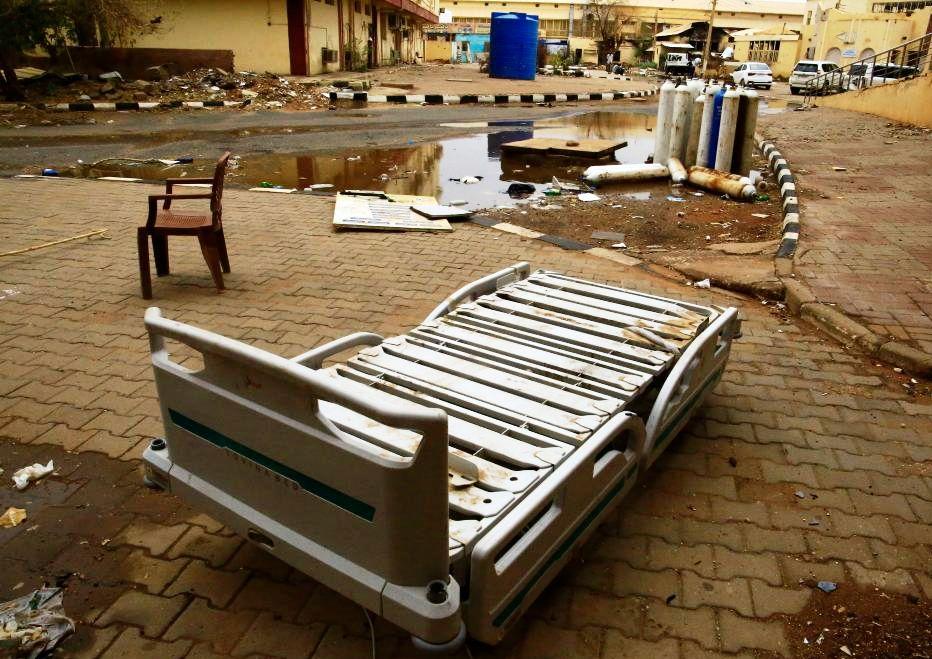
February 24, 2025 (PORT SUDAN) – A freeze on U.S. funding has severely crippled Sudan’s health system, impacting hundreds of facilities, including dozens in the war-torn Darfur region, the World Health Organization (WHO) and the Health Cluster said on Monday. The funding cut has hit key UN agencies and other aid groups, hindering their ability to respond to a growing humanitarian crisis.
The three-month suspension of activities by the U.S. Agency for International Development (USAID), ordered by former President Donald Trump, has significantly impacted humanitarian work in Sudan. The country is already grappling with widespread hunger resulting from a 22-month-old conflict.
In a report seen by Sudan Tribune, the Sudan National Health Cluster highlighted the “significant impact on health response efforts in Sudan” caused by the recent funding freeze. The WHO, which plays a crucial role in supplying essential medical kits, is among the hardest-hit agencies. Other affected agencies include UNICEF (focused on child health and vaccinations), UNFPA (maternal health), and the International Organization for Migration (IOM).
“The reduction in funding has direct and indirect consequences on humanitarian health interventions, potentially leading to increased health risks among affected populations,” the report stated.
The funding freeze has affected 13 health partners operating across 69 localities in 15 of Sudan’s 18 states. According to the Health Cluster, nine of these partners are in Darfur, directly impacting 21% of the region’s health response capacity. Overall, 335 health facilities across Sudan, including 57 in Darfur, have been affected. These 57 facilities represent 7% of the total health infrastructure in the region. The funding freeze is also impacting coordination efforts, leading to a lack of dedicated capacity for the Subnational Health Cluster for Darfur beyond March 2025, the report said.
Before the outbreak of the war, Sudan had approximately 6,500 healthcare facilities and 300 public hospitals. An estimated 70-80% are no longer functioning in active conflict zones, and 45% are out of service in other areas.
The health system is battling multiple disease outbreaks, primarily cholera and malaria, as well as treating increasing numbers of war-wounded individuals resulting from shelling and attacks on villages, cities, and populated areas.
Darfur is facing a disproportionate burden in the health response due to a surge in displaced people and affected communities, the report said. Health facilities are severely strained, facing critical shortages of supplies, equipment, and staff.
Limited access to clean water in Darfur exacerbates health risks and increases the likelihood of disease outbreaks, while the absence of laboratory services hinders diagnostic capabilities, the report detailed. It added, “In many areas, births are taking place at home due to a lack of basic delivery kits in health facilities.”
The report also cited new administrative regulations requiring non-governmental organizations (NGOs) to register as entities within Darfur, significantly restricting humanitarian access.
Health partners in South and Central Darfur reported difficulties obtaining travel permits, hindering the transport of supplies, staff movement, and project implementation outside urban areas.
The paramilitary Rapid Support Forces (RSF), which control most of Darfur, impose restrictions on humanitarian organizations, interfering with their work and pressuring them to focus aid on urban residents and nomadic populations.