
Sudan inflation eases slightly in February, remains high
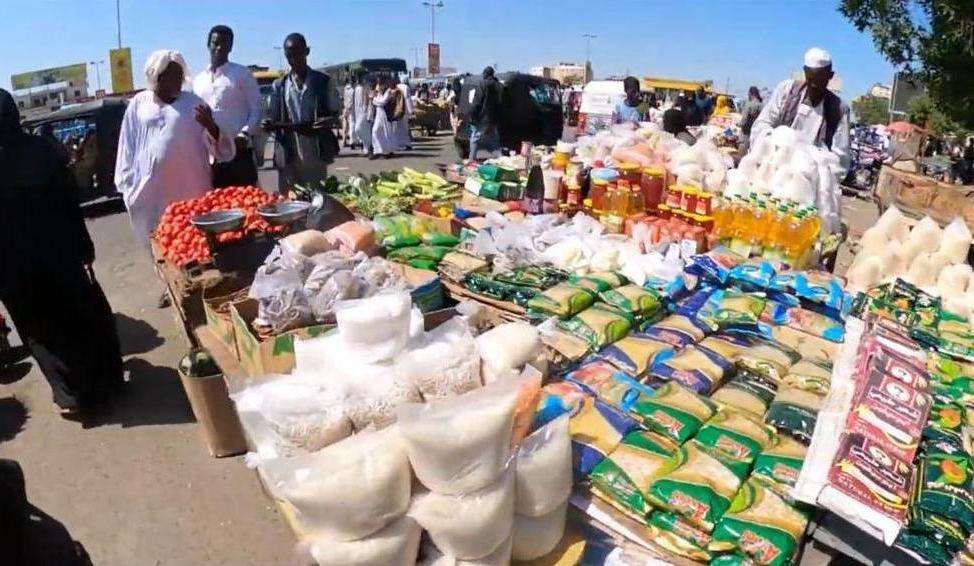
March 17, 2025 (PORT SUDAN) – Sudan’s inflation rate edged down slightly in February, decreasing by less than 3% to 142.34% from 145.14% in January, the Central Bureau of Statistics reported on Monday.
Inflation, measured as the change in the general price level compared to the same month in the previous year, has shown a consecutive decline in recent months.
The inflation rate in January was 145.14%, down from 187.83% in December, 198.22% in November, and 211.48% in October. It had been 215.52% in September.
“The rate of change in the general price level – inflation – rose by 142.34% in February 2025 compared to the same month in the previous year,” the Central Bureau of Statistics said in a statement seen by Sudan Tribune.
The agency said urban inflation in February reached 123.32%, slightly lower than January’s 124.26%. Rural inflation was 155.84%, compared to 159.66% the previous month.
The Bureau of Statistics bases its inflation measurement on 663 goods representing the consumption patterns of various economic, social, and geographical groups in rural and urban areas. These goods are divided into 12 groups, led by food and beverages, followed by tobacco, clothing and footwear, housing, electricity, fuel, health, transportation, communications, education, and others.
The agency reported that inflation stabilized in Northern State, while it increased in River Nile, Kassala, North Kordofan, and West Darfur states. It decreased in other states by varying degrees.
The highest inflation rate in February was recorded in River Nile State at 321.36%, followed by Gedaref at 304.06% and Sennar at 297.31%. The lowest rate was in Red Sea State at 44.48%, followed by Central Darfur at 46.17%.
The statistics bureau said that Sudanese people spend 52.89% of their income on food and beverages, 14.17% on housing, water, electricity, gas, and fuel, and 8.34% on transportation.
Sudanese, many of whom have lost their livelihoods and income sources due to the ongoing conflict, are complaining about the soaring prices of goods at rates they cannot keep up with. Some 30.4 million people – 64% of the population – require humanitarian assistance.