
Sudan’s Umma Party acting leader replaces deputies amid internal strife
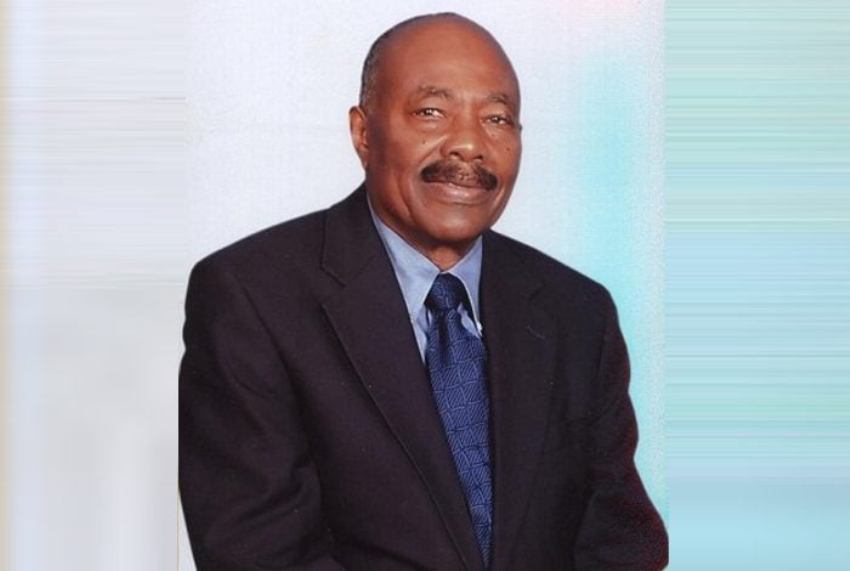
March 30, 2025 (NAIROBI) – The acting leader of Sudan’s National Umma Party (NUP), Fadlallah Burma Nasir, dismissed his three deputies and appointed new aides on Sunday, deepening an internal power struggle within the divided party over the alliance with the paramilitary group.
The move marks a significant escalation in the conflict within one of Sudan’s oldest political parties.
The decree issued Sunday night removed Mariam al-Sadiq, Siddiq Ismail, and Mohammed Abdallah al-Doma as deputy party leaders. Nasir appointed senior party figure Ibrahim al-Amin, Khalid Asil, and Babiker Digna as replacements.
Tensions within the long-established party flared in late February after its “Presidential Institution” – a leadership body – sought Nasir’s removal. The attempt followed his signing of a charter linked to forming a parallel government in areas controlled by the paramilitary Rapid Support Forces (RSF), the party body said at the time. The institution then named al-Doma as acting leader.
However, the party’s Political Bureau head, Mohammed al-Mahdi Hassan, challenged the legitimacy of the move against Nasir, according to party sources, shortly before Nasir dissolved and reconstituted the Presidential Institution.
In the decree obtained by Sudan Tribune, Nasir also appointed Bushra al-Sadiq al-Mahdi and Urwa al-Sadiq as assistants to the leader, along with six others, including Siddiq al-Sadiq al-Mahdi. Four advisors were also named in the decree issued on Sunday.
Nasir was chosen as acting NUP leader by the Presidential Institution on Nov. 28, 2020, succeeding veteran leader Sadiq al-Mahdi, on the condition that decisions required the institution’s approval, an arrangement backed by other party bodies at the time.
Separately, Urwa al-Sadiq confirmed to Sudan Tribune his acceptance of the role of Assistant to the Party President for Youth Affairs.
He described the role as a “historic responsibility borne by an entire generation,” not a political luxury.
“This position aims to enhance the role of youth within the party as an engine for change and accountability, not merely as organizational window dressing,” al-Sadiq told Sudan Tribune.
“I will not be a false witness to the perpetuation of failure, and I will not remain silent regarding any deviation from the principles of transparency and democracy, regardless of its source,” he added.
Al Sadiq said his acceptance was conditional on refusing to ignore wrongdoing, not legitimizing decisions lacking institutional grounding, and making youth affairs an effective part of decision-making.
He called on the NUP leadership to acknowledge the party’s crisis, commit to reform, and adhere to institutional processes rather than political appeasement.
“History shows no mercy to the hesitant, and I will not leave my post until I have laid a foundation stone on the path of genuine reform – one that restores the party’s prestige… and the youth’s rightful role,” he said.