
Okay, here is the proofread news article edited to align with Reuters style, along with a suggested headline adhering to Reuters guidelines. Suggested Headline: Southern Khartoum battles cholera, malaria amid collapsing health system
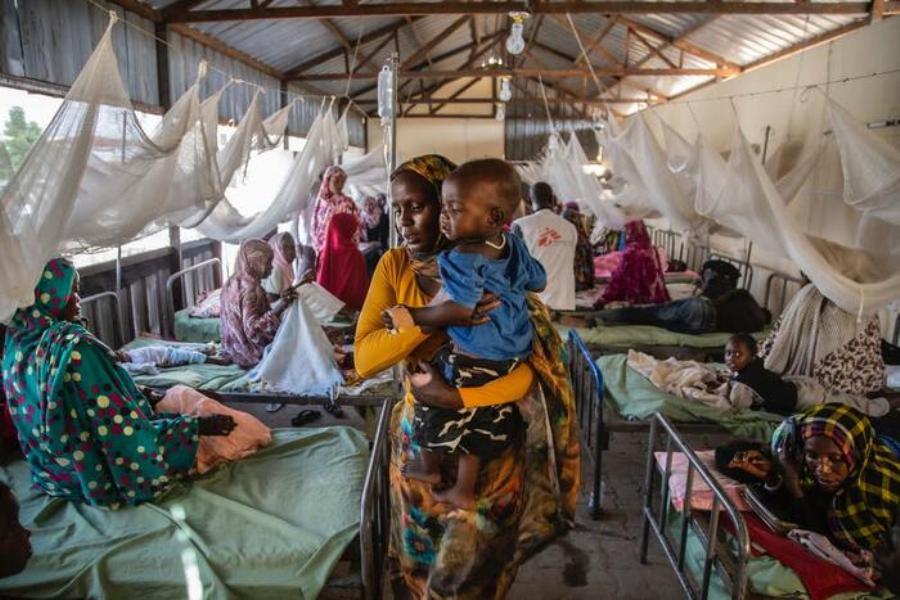
May 1, 2025 (KHARTOUM) – Neighbourhoods in southern Khartoum are facing widespread outbreaks of cholera and other diseases, raising fears of a health catastrophe amid a lack of official intervention and the collapse of medical institutions in the area.
Health facilities and pharmacies were looted and destroyed by fighters from the Rapid Support Forces (RSF) when they controlled southern Khartoum neighbourhoods, which the army recaptured in late March, sources said.
Ahmed Farouk, spokesman for the South Belt Emergency Room, told Sudan Tribune on Thursday that 15 new cholera cases, including five deaths, had been recorded over the past two weeks in southern Khartoum.
He said the area faces critical health conditions due to rising rates of epidemic diseases, a deteriorating humanitarian situation and the collapse of health infrastructure, warning of an imminent health disaster without intervention.
Operating health facilities in southern Khartoum had recorded 60 cases of watery diarrhoea and 75 cases of Abyssinian malaria, amid a complete lack of medicines and vector control, threatening a wider spread of diseases, Farouk said.
Farouk added that 47 suspected cases of dengue fever had been monitored, including three confirmed infections. He called on humanitarian and relief organizations to intervene urgently to provide medical support and contain the spread of epidemics to prevent the situation from worsening.
Separately, the Sudanese Congress Party in Khartoum State reported a dangerous and confirmed outbreak in southern Khartoum areas, particularly in Kalakla, Feteih Al-Aqliyyin, and the Al-Salha area in southern Omdurman.
The party reported a daily increase in infections and deaths amid collapsing health services and a lack of official response, stressing these areas suffer from deteriorating environmental and health conditions. This deterioration includes a scarcity of drinking water, waste accumulation, environmental pollution, a lack of medicines and intravenous (IV) fluids, and a severe shortage of medical staff, the party said.
“Some neighbourhoods have effectively turned into disaster zones, amidst a complete inability to contain the situation,” the party statement added.
The party accused the RSF of direct violations against residents of the Al-Salha neighbourhoods south of Omdurman, including preventing citizens from leaving the area for treatment and hindering the movement of the sick and medical personnel. This had increased the number of deaths and turned disease into an additional tool of oppression against besieged civilians, the party statement said.
The RSF controls Al-Salha, preventing citizens from leaving their homes to fetch food and water and closing roads leading out of the area, the party said.
The crackdown followed reports days earlier of a mass execution of 30 civilians by shooting in the area. The incident sparked widespread anger, prompting an initial denial from the RSF before one of its commanders reportedly admitted ordering fighters to kill the civilians.
The Preliminary Committee of the Sudanese Doctors Syndicate also reported a widespread outbreak of Abyssinian malaria, with more than 200 cases and 19 deaths recorded in recent days.
Committee member Adeeba Ibrahim Al-Sayed told Sudan Tribune the committee had monitored 208 cases, including 68 in Khartoum and 140 in eastern Sudan states. She said the death toll included eight deaths in eastern states and 11 in Khartoum.
Symptoms of Abyssinian malaria include persistent fever, headache, body aches, vomiting and loss of appetite. The symptoms can lead to severe anaemia and potentially sudden coma.
Al-Sayed urged authorities to fill pools of standing water and spray pesticides. She also urged citizens to maintain hygiene and seek prompt medical attention for themselves and others.
Sudan’s ongoing conflict has severely impacted its health system. Up to 80% of health facilities in active conflict zones and approximately 45% in other areas have ceased operations, out of a total of around 300 public hospitals and 6,500 primary healthcare facilities nationwide.
The health system is struggling with widespread epidemics including cholera, malaria, dengue fever and eye infections, alongside treating casualties from indiscriminate attacks by the warring parties.