
UN Warns of Worsening Humanitarian Crisis in Sudan Amid Surging Displacement, Cholera Outbreak
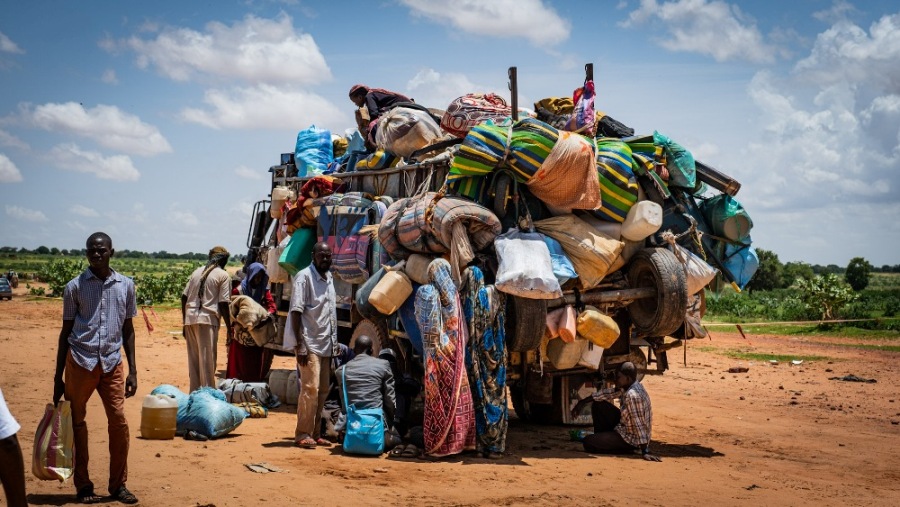
May 22, 2025 (UNITED NATIONS) – The humanitarian situation in Sudan is deteriorating rapidly, with surging fighting displacing tens of thousands and a cholera outbreak raising alarm in Khartoum, a UN spokesperson said on Thursday.
Stéphane Dujarric, the Secretary-General’s spokesperson, highlighted the warnings from the UN’s humanitarian agency, OCHA, about the escalating crisis.
“The surge in fighting in various areas across Sudan is pushing civilians out of their homes and shelters,” Dujarric told reporters.
In West Kordofan state, nearly 47,000 people, many already internally displaced, were forced to flee the towns of Khiwai and Nuhud this month due to heightened insecurity, according to the International Organization for Migration (IOM).
North Darfur state has also seen significant displacement, with about 1,000 people displaced from Abu Shouk camp and El Fasher town in the past week alone. This brings the total displaced from these areas this month to 6,000. North Darfur now hosts over 1.7 million internally displaced people. The UN and its partners have scaled up assistance in Tawila, where many have sought refuge.
Soaring food prices and a concerning surge in cholera cases in some localities in Khartoum state compound the crisis. The capital has also been grappling with a near-total electricity blackout over the past week, reportedly caused by drone attacks on critical power infrastructure. This has severely disrupted access to water and healthcare, forcing residents to rely on unsafe water sources, which increases the risk of waterborne diseases.
Meanwhile, White Nile state is experiencing increasing needs as more than 25,000 South Sudanese refugees, predominantly women and children, have crossed into the area over the past six weeks, fleeing insecurity and worsening conditions in South Sudan, according to the UN Refugee Agency.
Despite humanitarian efforts, Dujarric reiterated the urgent need for greater access for aid delivery and more flexible funding. To date, only $552 million has been received for the humanitarian response this year, just over 13% of the $4.2 billion required for the overall appeal.