
Funding cuts cripple aid for sexual violence survivors in Sudan – UN
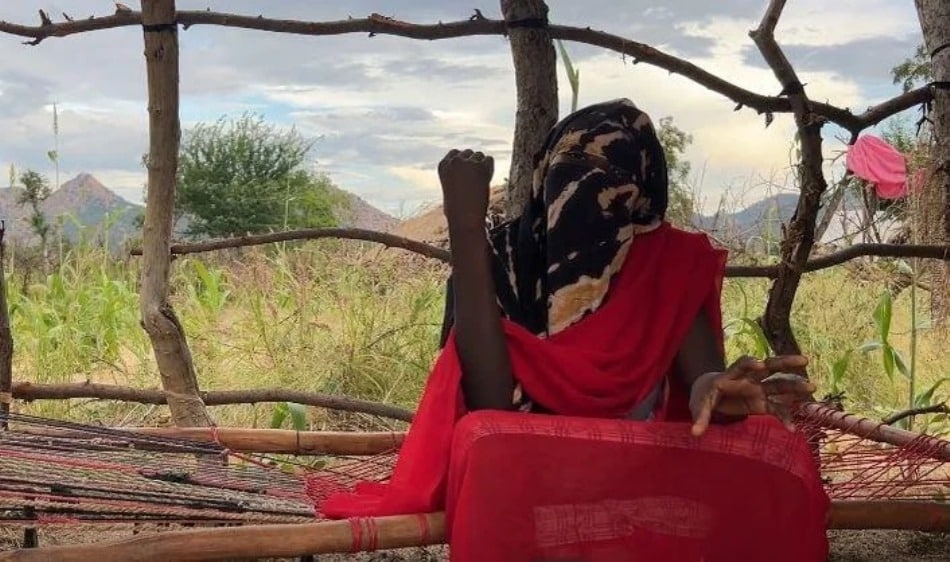
June 21, 2025 (GENEVA) – Sweeping funding cuts have crippled life-saving services for survivors of sexual violence in Sudan, where rape is being used as a widespread weapon of war, the United Nations Population Fund (UNFPA) said in a report.
The U.N.’s sexual and reproductive health agency warned that its 2025 humanitarian appeal for Sudan is only a quarter funded, forcing it to withdraw from more than half of the 93 health facilities it was supporting. Only about one in four facilities that offer clinical management of rape are now fully functional across the country.
The crisis comes as more than 12 million people, a quarter of Sudan’s population, are at risk of gender-based violence three years into a devastating civil war.
“Sexual violence has become as widespread as guns and bullets,” said Khadija, a midwife at a UNFPA-supported clinic in Gedaref State, whose name was changed to protect her identity. “Women arrive at our facilities exhausted, traumatized… carrying physical and emotional wounds that are difficult to comprehend.”
Frontline responders and survivors report alarming rates of rape and abuse are being used as a deliberate tactic to terrorise and control populations.
“The scale and brutality of violations are beyond anything we’ve previously seen,” said Dina, a gender-based violence specialist in Sudan, also speaking on condition of anonymity.
For survivors, the consequences of the service cuts are devastating. Many undertake perilous journeys to safety, arriving at the few remaining clinics months later in advanced stages of pregnancy from rape, or with severe, untreated infections and profound psychological trauma.
The UNFPA report detailed how stigma also prevents many from seeking help, with some survivors facing the risk of being killed by their own family members.
“The violence we’re witnessing now will echo through generations,” said Dina, the specialist. “This trauma will profoundly impact the fabric of Sudanese society long after the guns fall silent.”
The sense of despair was echoed by a survivor who received care at one of the U.N.-supported facilities.
“It truly feels like this war is being fought on the bodies of women and girls,” said Huda, whose name was also changed. “So many of us have lost hope in the future.”