
Title: Sudan farmers blame internal woes over U.S. sanctions for crisis
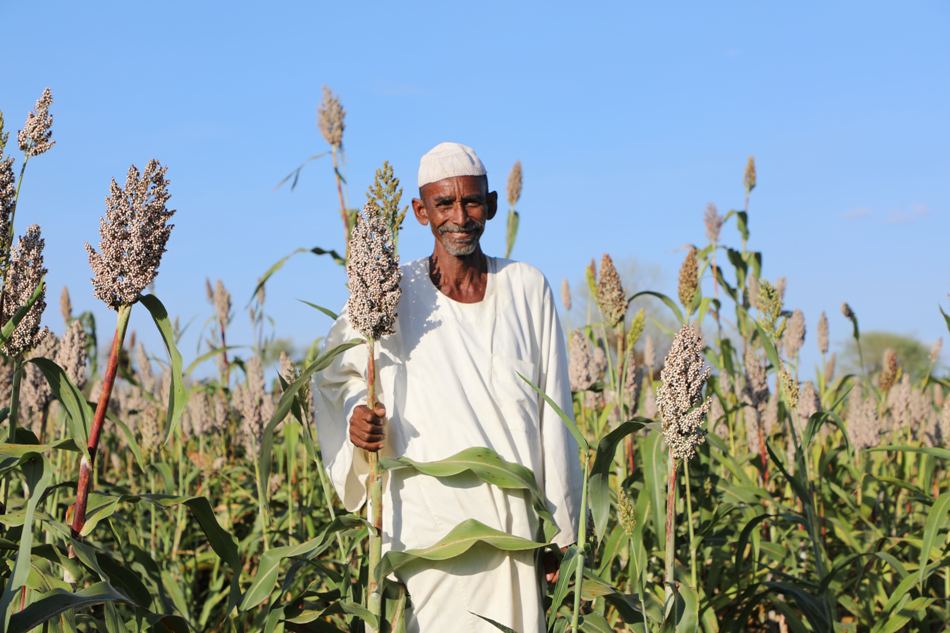
July 2, 2025 (PORT SUDAN) – New U.S. sanctions are compounding a crisis in Sudan’s war-battered agricultural sector, but many Sudanese farmers say the most significant threats are closer to home, citing energy shortages and government bureaucracy as more damaging than the foreign restrictions.
The U.S. sanctions, which took effect on June 27 over Washington’s allegations of chemical weapons use by the army, target military and dual-use exports, U.S. government financing, and certain foreign aid.
A Western diplomat stated that the measures were “calculated” to encourage Sudan’s army to pursue a peaceful resolution of its conflict with the paramilitary Rapid Support Forces (RSF).
While experts predict a limited direct economic impact due to the low level of U.S.-Sudan trade, they warn of broader risks stemming from the global financial system’s connections to the United States.
But for Taha Jaafar, head of the Farmers’ Union in the Northern State, the main obstacles are domestic.
“The biggest obstacles crippling agriculture are not the US sanctions, but internal ones, namely the lack of energy,” he told local media, criticising the destruction of power plants and government red tape on importing solar energy solutions.
He accused government officials of failing to find solutions and criticised institutions like Customs for restricting solar imports. “The Agricultural Bank itself offers nothing, especially in financing fertilizers,” Jaafar added.
Others in the sector, while acknowledging the sanctions’ effect, expressed a sense of resignation. Gereig Kambal, a representative of the farmers’ union for rain-fed agriculture, described the impact on ordinary Sudanese as “normal,” stating that the country was accustomed to such restrictions.
“They are more political sanctions than economic,” he said, but noted they still have “direct effects on the farmer.”
The debate comes as the agricultural sector, which accounts for over a third of Sudan’s GDP, reels from the 15-month-long war. The UN’s Food and Agriculture Organization (FAO) estimates production has plummeted by over 40%.
The World Bank projects the economy shrank by another 13.5% in 2024, after contracting by a third the previous year, and that extreme poverty could engulf 71% of the population if the conflict continues.