
Sudan currency collapse fuels soaring prices, deepening hunger
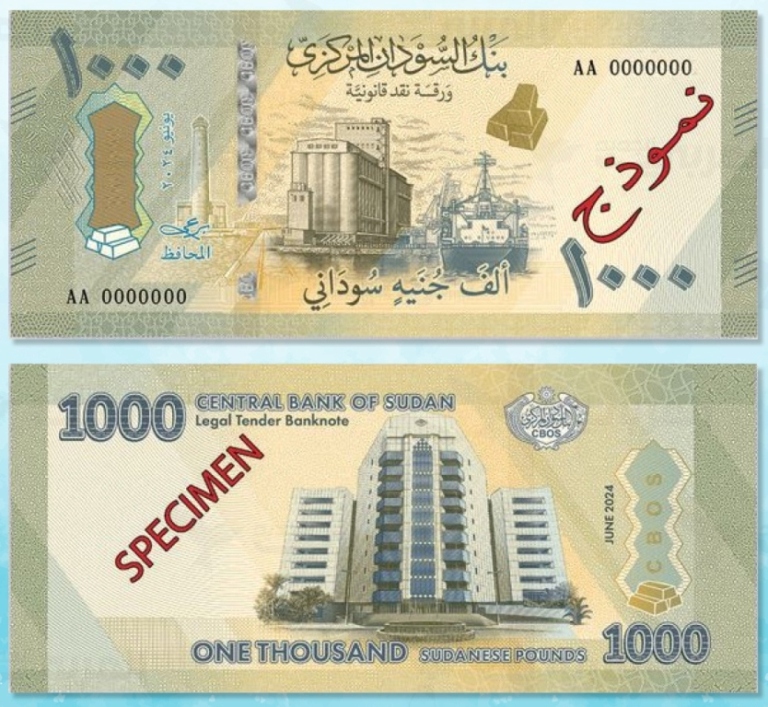
July 23, 2025 (KHARTOUM) – The Sudanese pound has collapsed to a record low against the U.S. dollar, traders said on Wednesday, fueling soaring prices for basic goods and deepening a hunger crisis across the war-torn nation.
The currency’s rapid depreciation adds a severe burden to millions of families whose livelihoods have been devastated by the ongoing conflict, pushing their ability to cope to the breaking point.
On the parallel market, the dollar was trading at 3,345 pounds, up from 2,600 at the start of July, dealers said. The UAE dirham fetched 930 pounds and the Saudi riyal 860 pounds. The official bank rate also fell, with the dollar listed at 2,400 pounds.
The collapse has had an immediate and devastating impact on food prices. In the city of Gederaf, a 50 kg sack of sugar now costs 180,000 pounds, a sharp increase from 130,000 pounds just days ago.
“The situation has become unbearable; I cannot provide for daily needs,” Mohamed Al-Farouq, a resident of Ad-Dindar in Sennar state, told Sudan Tribune. He added most local shops had stopped selling on credit, “leaving thousands of citizens face to face with hunger.”
The crisis has also crippled essential remittance networks. Money transfer offices run by Sudanese in Egypt, a lifeline for the roughly 1.5 million refugees there, have halted transactions. Traders in Uganda, another major host country for refugees, are reportedly refusing to exchange Sudanese pounds, insisting on U.S. dollars only.
‘Essentially local’ crisis
Economists attribute the collapse to a combination of factors.
Haitham Fathi, an economist, stated that speculators and war profiteers are exploiting the government’s need to purchase foreign currency to finance imports. He added that mass displacement and migration to neighbouring countries have further increased demand for dollars, while the government’s ability to collect taxes has been crippled.
“The dollar reaching this record level against the pound, despite its global decline, indicates that the crisis is essentially local and stems from internal structural challenges,” Fathi said, warning of runaway inflation and a further decline in living standards.
Another economist, Mohamed Alnayer, pointed to the dissolution of the government and the failure to replace large-denomination banknotes in key economic hubs, such as Khartoum and Al-Jazira state. He advised the government to ban the import of non-essential goods to shore up the pound.
Sudan has long relied on imports for essentials like fuel and wheat. Still, the need to finance advanced weaponry since the conflict began has placed an additional, unsustainable strain on the economy.