
U.N. warns ‘time is running out’ to prevent famine in Sudan’s El Fasher
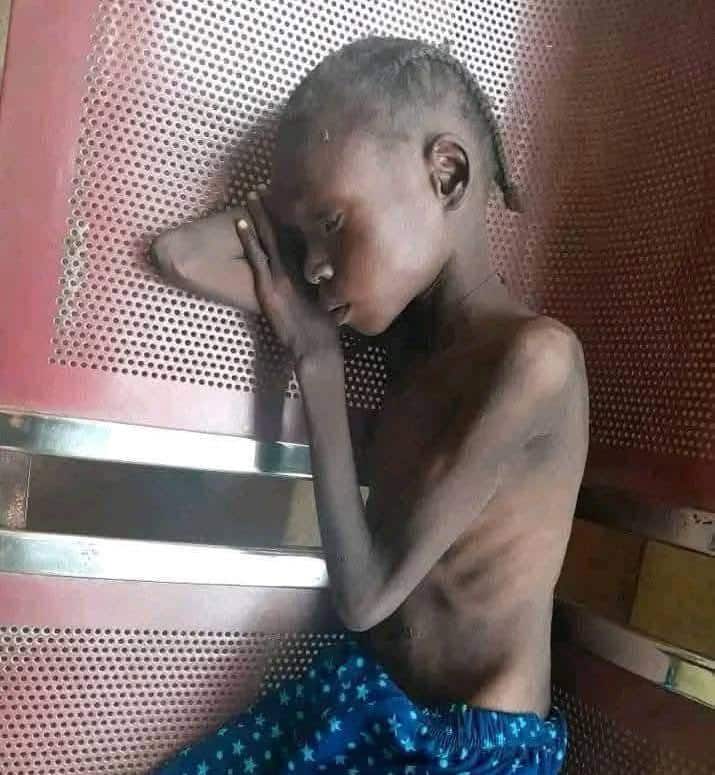
August 5, 2025 (UNITED NATIONS) – The United Nations warned on Tuesday that “time is running out” to prevent famine in the besieged city of El Fasher in Sudan’s North Darfur state, where escalating fighting has trapped civilians and severed aid routes.
The warning, relayed by U.N. Deputy Spokesman Farhan Haq, cited Tom Fletcher, the U.N. Under-Secretary-General for Humanitarian Affairs.
Haq said staff from the U.N.’s Office for the Coordination of Humanitarian Affairs (OCHA) on the ground reported “escalating humanitarian needs driven by insecurity, disease, hunger, flooding and displacement.”
Sporadic shelling continues in El Fasher, where the clashes trap families, he added. OCHA is advocating for a humanitarian pause to facilitate the delivery of aid.
The World Food Programme (WFP) stated that food shortages are so severe that basic items, such as sorghum and wheat, cost up to 460% more in El Fasher than elsewhere in Sudan. The warning comes one year after famine was first confirmed in the nearby Zamzam camp.
Most local community kitchens have stopped functioning, and some families are resorting to eating animal fodder and food waste to survive, the WFP reported. People fleeing the city have cited rampant violence, looting and sexual assault, Haq said.
A cholera outbreak is spreading across Darfur, compounding the hunger crisis. More than 3,600 cases have been reported in North Darfur since late June, while South Darfur has recorded over 1,200 suspected cases and 69 deaths, U.N. partners reported. Officials warned that the accurate scale of the outbreak is likely masked by underreporting.
Malnutrition is also rising to alarming levels, according to officials. Recent surveys have shown global acute malnutrition rates of 34% in the Mellit locality and nearly 30% in At Tawaisha, both significantly above the emergency threshold of 15%.
While U.N. agencies and their partners are trying to scale up services, they face a severe funding shortfall, Haq said.
OCHA repeated its call for all parties in the conflict to allow humanitarian access and for donors to provide flexible funding to meet Sudan’s “soaring humanitarian needs.”