
Sudanese in Ethiopia face visa woes, political neglect
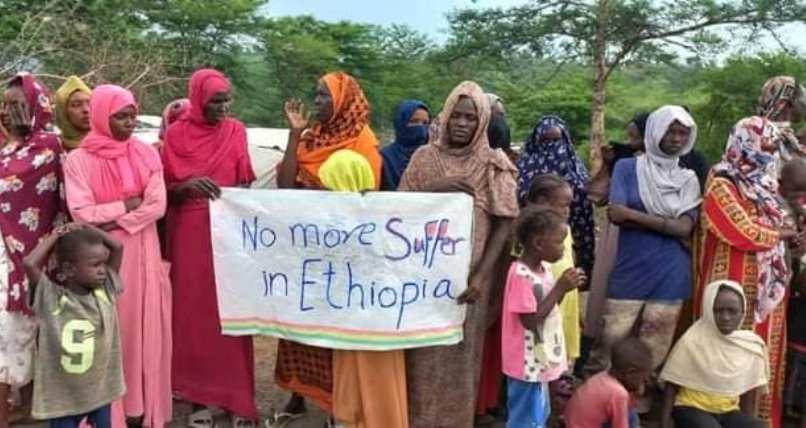
November 9, 2025 (ADDIS ABABA) – Sudanese individuals in Ethiopia are facing significant humanitarian and living challenges, along with complications related to residency and visa renewals, Sudan Tribune has been informed.
Ethiopia has received more than 100,000 Sudanese since the conflict began. Authorities have provided some assistance but impose fees of $100 for monthly visa renewals and fines of $300 for each month of delayed renewal, measures described by the Sudanese as harsh.
Speaking to Sudan Tribune, Sudanese individuals criticized leaders of civil and political alliances for not playing any decisive roles in addressing the crises of Sudanese abroad, including in Ethiopia.
They pointed to a weak response, saying leaders from the “Sumoud” coalition visited the Ethiopian capital last week but ignored the plight of Sudanese migrants. They said the leaders did not meet with them to learn about their conditions, convey their concerns during meetings with diplomatic missions, or provide briefings on their plans.
A.K., a Sudanese man stranded in Ethiopia, said the alliances claiming to serve citizens are “nothing but political facades seeking to achieve their own interests under the guise of serving the Sudanese people.”
He said the government, preoccupied with the war, is not playing any role towards the stranded, displaced, and refugees, which places their responsibility on the alliances.
He said the “Somoud” coalition leaders visiting Addis Ababa did not discuss or meet with Sudanese migrants to learn about the challenges they face.
S.M., a stranded woman who fled to Ethiopia, told Sudan Tribune that the reality facing Sudanese men and women due to displacement “was catastrophic.”
She said that statistics indicate the presence of about 100,000 Sudanese in Ethiopia.
She explained that renewing monthly entry visas has become an extremely difficult and exhausting procedure amid war, loss of income, and scarce resources. This complicates life and is burdensome and costly under the circumstances, she said.
She called on the Ethiopian government to intervene, as it had previously, by granting the Sudanese a nine-month exemption.
S.M. emphasised the importance of political and civil alliances in addressing this matter, discussing these issues with officials and stakeholders to convey their concerns and suffering.
She added that “there must be humanitarian decisions that align with the suffering of the Sudanese,” especially regarding visa renewals, which is an ongoing issue as the war continues.
Sudanese refugees criticized the embassy’s role and its failure to address their fundamental problems related to visa extension procedures and exorbitant fees.
Speaking to Sudan Tribune, they pointed to the difficulty of contacting the embassy, in addition to its staff’s negligence in conducting on-the-ground follow-ups on their conditions.
The Nationals say the embassy does not respond to catastrophic situations, including food and medicine shortages.
Two days ago, a Sudanese man in Addis Ababa nearly lost his life due to a severe blood shortage, they said. The embassy did not offer aid, but a group from the Sudanese community collected money for his treatment, with help from several Ethiopian philanthropists.
The stranded individuals said the embassy, which employs a large number of staff, “is not playing any role towards them.”