
UN envoy to visit Port Sudan, Addis Ababa to discuss civilian protection
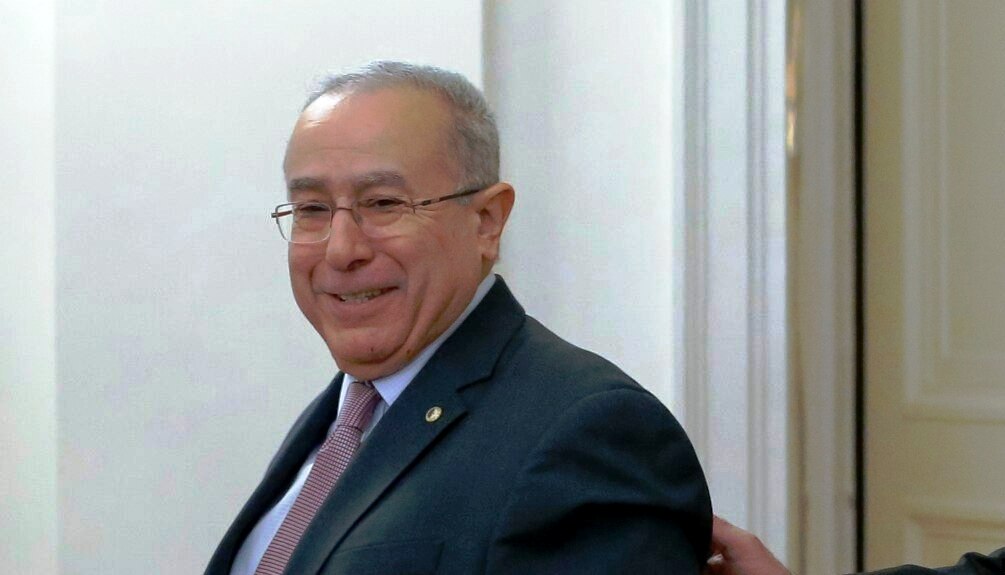
November 29, 2025 (NEW YORK) – The United Nations Secretary-General’s Personal Envoy for Sudan, Ramtane Lamamra, is set to travel to Port Sudan and Addis Ababa in early December to engage with warring parties and regional partners, a UN spokesperson announced on Wednesday.
Stephane Dujarric, Spokesperson for Secretary-General António Guterres, stated that Lamamra has been in regular contact with the parties and continues to encourage them to engage in a “genuine dialogue to advance peace.”
The envoy is also coordinating closely with regional partners, including the African Union, the Intergovernmental Authority on Development (IGAD), and the League of Arab States.
“The urgent need for better protection of civilians in Sudan is and will be at the forefront of all of his discussions,” Dujarric said during the noon briefing.
Parallel to the UN’s efforts, a separate mediation track led by the “Quad”—comprising the United States, Saudi Arabia, the United Arab Emirates, and Egypt—has recently intensified its diplomatic push. The Quad has proposed a phased roadmap to end the conflict, beginning with an immediate three-month humanitarian truce to facilitate rapid aid delivery. This would be followed by negotiations for a permanent ceasefire and conclude with a nine-month transitional period aimed at establishing an independent, civilian-led government.
The two diplomatic approaches reflect differing strategies for resolving the crisis. The UN process, coordinated with the African Union and IGAD, prioritises a broad, inclusive political dialogue and “Sudanese-owned” solutions. In contrast, the Quad’s initiative is described by observers as a more timeline-driven “calendar peace,” leveraging the significant influence of its member states to push for rapid, enforceable mechanics and a defined exit strategy from military rule.
Coordinating these parallel tracks remains a significant challenge. While the UN envoy is in contact with Quad members, the risk of diplomatic fragmentation persists. The Sudanese Armed Forces (SAF) have recently expressed strong reservations about the Quad’s proposal, citing the presence of the UAE—whom they accuse of supporting the Rapid Support Forces—as a reason for rejecting the mediation. Conversely, the RSF has shown greater openness to the Quad’s roadmap. Bridging this gap and aligning the UN’s emphasis on political legitimacy with the Quad’s pressure for a swift timeline will be critical to avoiding competing international agendas.
Deteriorating humanitarian situation
The announced visit comes as the humanitarian situation on the ground continues to deteriorate. The UN described the situation in El Fasher, the capital of North Darfur, as “dire.” The World Food Programme (WFP) is currently supporting families fleeing to surrounding areas, including Tawila, as well as those arriving in more distant locations like Dabbah in Northern State and Khartoum.
Dujarric noted that 1,485 metric tonnes of food and nutrition supplies—sufficient for about 130,000 people—are currently en route to Tawila via the Dabbah crossing.
Conflict is also driving large-scale displacement in the Kordofan region. The International Organization for Migration (IOM) reported that heightened insecurity in North Kordofan uprooted nearly 40,000 people between October 25 and November 18. In South Kordofan, more than 1,800 people were displaced across multiple localities on Tuesday alone.
Despite access challenges, the Sudan Humanitarian Fund (SHF) has released over $5 million to support international NGOs providing critical services in North Kordofan, including health, water, and shelter. Throughout the Kordofan region, the fund has allocated $33 million this year to reach approximately 1.6 million people.
However, the UN warned of a severe funding shortfall. With the year nearly over, the $4.2 billion humanitarian appeal for Sudan is just over one-third funded, with only $1.4 billion received.