
Sudan doctors network says 284 health facilities resume operations in Khartoum
December 31, 2025 (KHARTOUM) – Nearly 284 hospitals and health centres have resumed operations in Khartoum State following widespread destruction and looting during the conflict, the Sudanese Doctors Network said on Wednesday, despite growing concerns over a spike in malaria infections.
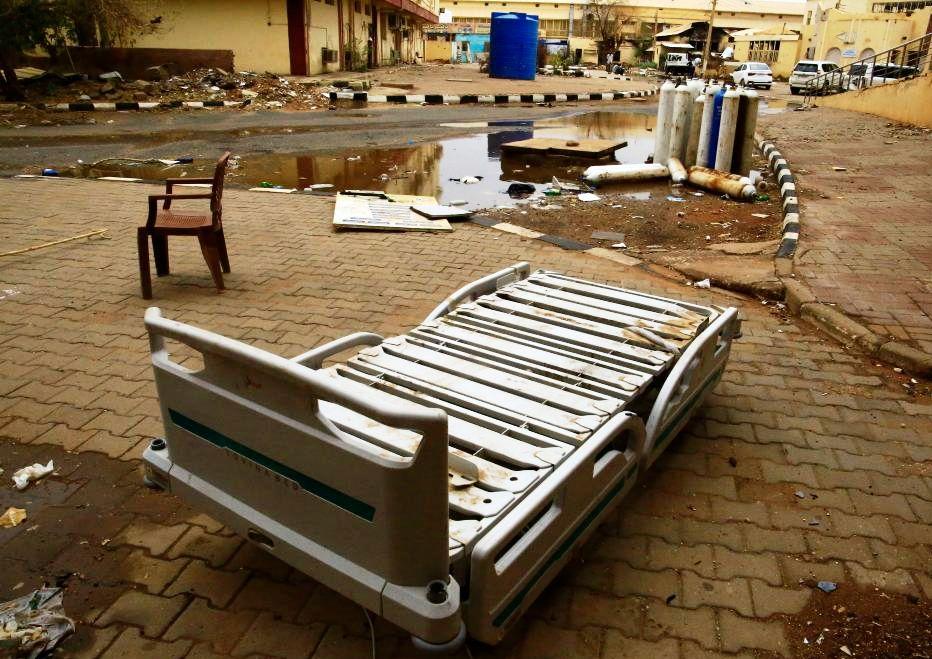
The capital’s healthcare sector was devastated during the first year of the war, with roughly 70% of facilities forced to close due to artillery fire, systemic plundering, and the total collapse of supply chains. More than 120 hospitals were reportedly looted, severely limiting the state’s ability to meet escalating medical needs.
Reference infrastructure also sustained heavy damage, most notably the National Public Health Laboratory (Stack) and the Central Blood Bank. The network reported that the closure of these primary diagnostic centres has delayed critical treatments and complicated blood transfusion services for emergency cases.
A report by the network’s monitoring team, which tracks the rehabilitation of public and private facilities, highlighted a gradual recovery driven by local community initiatives. Of the 120 hospitals previously rendered inoperable, more than 40 have now returned to service.
The network identified 17 additional hospitals currently under maintenance that are scheduled to reopen in January. To address immediate gaps in care, 10 mobile clinics are now operating within the state to provide basic services to residents in remote or conflict-affected neighbourhoods.
Local efforts and non-governmental organizations have successfully restored 244 out of 282 neighbourhood health centres. However, 38 centres remain closed, requiring further investment to become functional. Major reference facilities—including Khartoum, Al-Shaab, Bahri, Ahmed Gasim, and Al-Amin Children’s Hospital—are in advanced stages of repair and are expected to be fully operational next month.
Malaria surge
In parallel, the Preliminary Committee of the Sudan Doctors Union warned on Wednesday of a burgeoning malaria outbreak. Health officials have recorded more than 2,000 cases and 80 deaths over the last two months across several states.
The Ministry of Health acknowledged last week a critical shortage of anti-malarial drugs in several regions, including Khartoum. In response, the ministry has launched a decentralized laboratory strategy across six states to improve early detection of epidemics.
Dr. Adiba Ibrahim Al-Sayed, an epidemiology specialist, told Sudan Tribune that 2,576 infections and 80 deaths were documented in November and December alone.
“The majority of cases are concentrated in displacement camps and shelters, particularly in El Obeid,” Al-Sayed said, citing poor sanitation, waste accumulation, and a lack of medical personnel.
She added that while the Ministry of Health recently received $600,000 in medical aid from Jordan’s Hikma Pharmaceuticals to combat malaria and dengue fever, the supplies have not yet reached many of the hospitals and clinics in need.