
RSF drones target convoys in Sudan’s Kordofan region
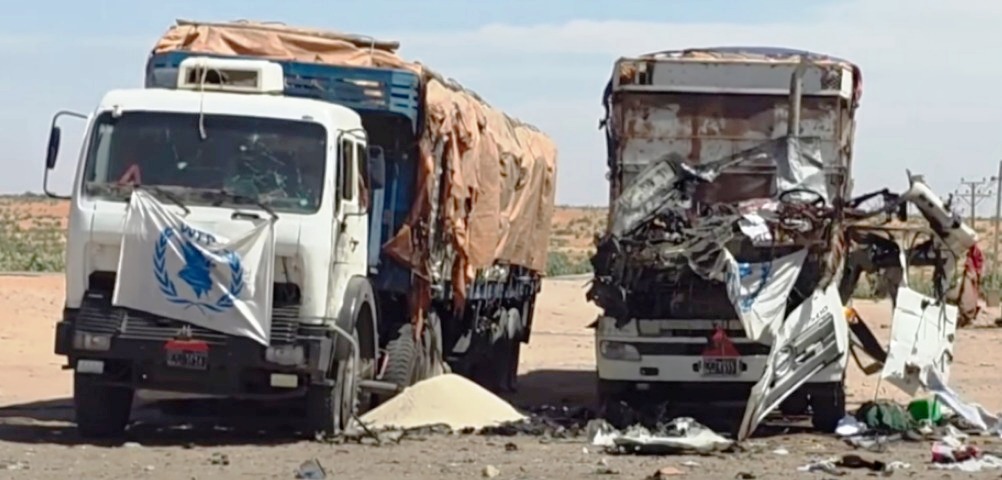
February 8, 2026 (EL OBEID) – Rapid Support Forces (RSF) drones targeted commercial convoys and public transport in North and South Kordofan for a third consecutive day on Sunday, local sources and residents said.
The paramilitary group has escalated its aerial attacks since last week, striking supply routes, humanitarian aid convoys, and health facilities. The surge in violence follows the Sudanese army’s recent breakthrough in ending a nearly three-year blockade on the cities of Kadugli and Dilling.
In one of the deadliest incidents in the region in recent weeks, a drone hit a vehicle on Saturday carrying displaced civilians from the Dubaykar area of South Kordofan to the town of El Rahad. The strike killed 24 people, including women, children, and the elderly, and left many others wounded.
On Sunday morning, a separate drone attack destroyed a vehicle carrying vegetables and food supplies near Umm Rawaba in North Kordofan, killing at least three people. Local sources in El Rahad told Sudan Tribune that drone strikes have hit targets in the town for three days, causing civilian casualties and destroying transport trucks.
The United States, Saudi Arabia, Egypt, Kuwait, and the Arab League have condemned the attacks, saying the violence obstructs the delivery of vital humanitarian aid to conflict-affected populations in the Kordofan region.
Military analysts say the RSF is attempting to prevent food and medicine from reaching Kadugli and Dilling after the army and its allies in the Joint Force reconnected South Kordofan’s main cities to North Kordofan.
The RSF did not immediately respond to a request for comment.
The escalation comes as humanitarian conditions in the region continue to deteriorate, with international observers warning that targeted attacks on supply routes could worsen food insecurity for hundreds of thousands of civilians.