
Industrial federation warns of ongoing looting in southern Khartoum
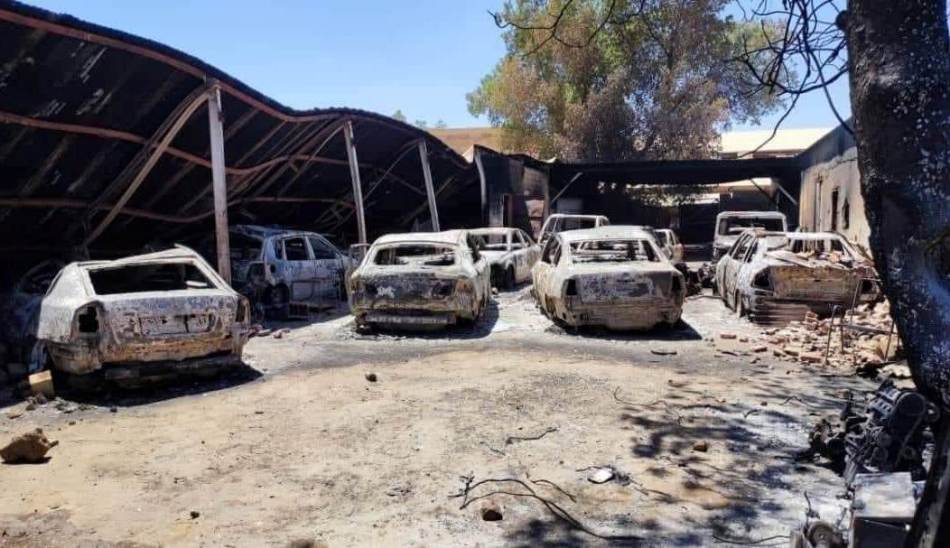
February 20, 2026 (KHARTOUM) – The Sudanese Federation of Industrial Chambers revealed on Friday that widespread looting of factories continues in the industrial zone south of Khartoum, accusing unnamed armed forces of involvement in these violations.
Abbas Ali al-Sayed, Secretary-General of the Federation, told Sudan Tribune that factories in the southern Khartoum industrial zone are still being subjected to armed robbery in broad daylight. He noted that the perpetrators hold military ranks and are seen loading looted goods from within the facilities.
Al-Sayed explained that the industrial sector is the most affected by the war, with all its components impacted, particularly industries in Khartoum and areas adjacent to the informal belts surrounding the capital.
He added that the industrial zone bordering the Mayo area in the “South Belt” has suffered the most. Originally planned as a hub for heavy industry, the zone houses iron smelting, electronics, and assembly plants built to modern standards over the last 15 years.
The Secretary-General revealed that approximately 450 factories in that area have been 100% looted. This includes raw materials, finished products, furniture, furnace fuel, vehicles, cash from safes, and heavy machinery.
The destruction has even extended to the factory structures themselves, with corrugated iron sheets and bricks being stripped. Concrete pillars have been smashed to extract rebar, turning factories into empty plots of land.
Absence of government
The Secretary-General expressed surprise at the lack of official visits to assess the destruction, noting that neither the Prime Minister nor the Minister of Industry has inspected the area or addressed the situation publicly.
He emphasized the absence of a clear government plan for reconstruction or a framework for resuming operations, despite nearly a year passing since control was regained over Khartoum.
This neglect, he argued, has allowed the looting of remaining industrial assets to persist even in less affected areas. Al-Sayed stressed that the assault on the industrial sector has directly hindered the return of economic activity in Khartoum, Khartoum North (Bahri), and parts of Omdurman.
He called on authorities to protect remaining facilities and establish an urgent reconstruction plan, as restoring production is essential for economic recovery.
The “copper” crime
Al-Sayed described the looting of Khartoum and Bahri’s electrical grid, specifically transformers, motors, and cables for copper extraction, as the “greatest economic crime” committed after the war. These practices have directly prevented the restoration of electricity and obstructed the resumption of industrial and production activities.
He stated that he contacted the relevant authorities, including Economic Security, over a year ago to demand a comprehensive investigation, but no official inquiry has been opened. He emphasized that the return of residents to their neighbourhoods is contingent on the restoration of basic services, primarily electricity.
The looting operations involve a chain that starts with individuals stealing and burning components to extract copper, selling it by weight to small traders, who then pass it to larger dealers.
Al-Sayed noted that some quantities were exported before a formal ban on copper exports was enacted. He believes the closure of official export channels has increased smuggling, citing a recent seizure of smuggled copper in River Nile State.
Infrastructure responsibility
The Secretary-General urged the government to take responsibility for rehabilitating the electrical infrastructure. He pointed out that while the state previously required some factories to purchase transformers at their own expense and then cede them to the Sudanese Electricity Company, the current phase requires the state to provide these components at the lowest possible cost to the private sector.
Al-Sayed criticized the lack of priority given to the productive sector in reconstruction plans. He argued that directing electricity to residential areas without a parallel priority for industrial zones is an economic management error.
He concluded that agricultural and industrial production is the natural entry point for stimulating consumption and creating jobs, and that a shift in the “economic management mindset” is required to place production at the forefront of national priorities.