
Sudan army destroys RSF supply sites on Libya, Chad borders
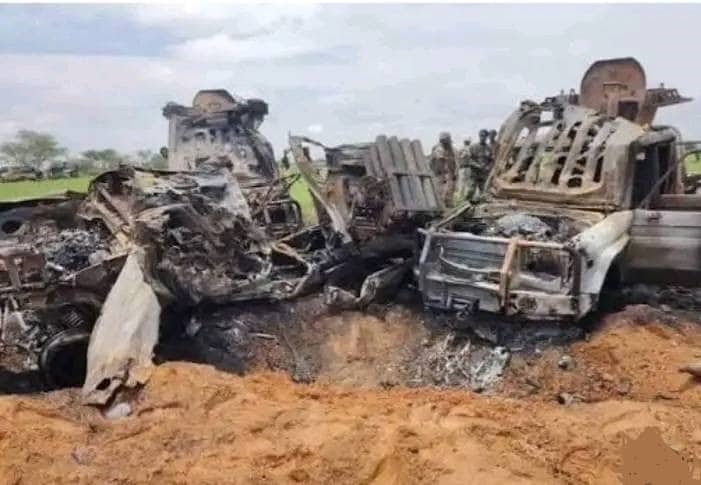
March 9, 2026 (KHARTOUM) – Sudanese military sources told Sudan Tribune that the army destroyed two major supply positions for the Rapid Support Forces (RSF) located on the borders with Chad and Libya.
The military considers the supply triangle flowing from Libya and Chad into the urban centres of Darfur a persistent threat to national security. Sources said the army conducted approximately 21 preemptive strikes against RSF convoys entering the country through the northwestern and western borders.
Military officials declined to provide the specific geographical coordinates of the destroyed sites. However, they confirmed that the shipments contained technical equipment, including drones and jamming devices.
The Sudanese government has repeatedly accused Chad of providing logistical support to the RSF. Similar allegations have been directed at General Khalifa Haftar’s forces in Libya regarding the transport of military supplies across the border.
Military sources said Sudan’s air defence and air force commands are maintaining close surveillance of the western border regions to intercept further shipments.
Military experts told Sudan Tribune that RSF logistics rely on strategic routes that exploit security vacuums along the border. These paths connect distribution centres in Libya to reception points within Sudan.
Part of the supply chain is managed by cross-border networks and groups involved in the arms trade. Retired Brigadier General Mohamed Abdel Jalil said the conflict has created a new reality that blurs the lines between official operations and smuggling.
Abdel Jalil noted the rise of “independent armed labour” acting as security contractors. These groups manage checkpoints, impose informal taxes, and provide armed escorts for trucks carrying military and logistical supplies.
He added that these networks facilitate the flow of smuggled fuel and weapons from Libya. The general noted that increased air strikes on the Chadian border have pushed the RSF leadership to rely more heavily on Libyan entry points recently.