
Sudan’s Mamoun Elberier Group acquires Saudi-owned Savola oil unit
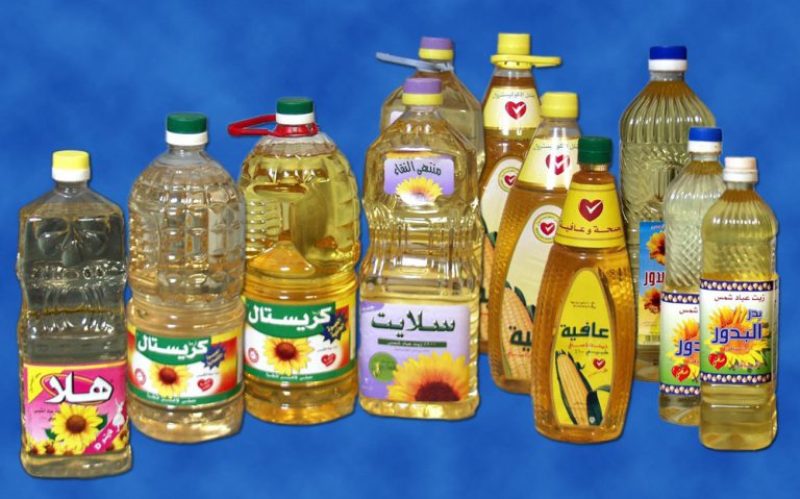
March 14, 2026 (KHARTOUM) – Sudan’s Mamoun Elberier Group has completed a full acquisition of Savola Edible Oils – Sudan, a move seen as a strategic attempt to stabilize the country’s food manufacturing sector during the ongoing conflict.
The deal includes the transfer of all industrial assets, agricultural investments, and trademarks from the Saudi-based Savola Group to the Sudanese national group. Savola Sudan is one of the largest industrial complexes in the region, featuring advanced infrastructure and extensive supply chains.
Saud Mamoun Elberier, a prominent businessman, said on Saturday that the acquisition is a “message of confidence” in the vitality of the Sudanese economy. He noted that the facilities are capable of achieving self-sufficiency for the domestic market and establishing an ambitious export base.
The group’s chief executive, Mamoun Saud Mamoun Elberier, described the acquisition as a national commitment to reviving food security. He announced an urgent operational plan to link local agricultural production directly with advanced manufacturing.
The transition comes as Sudan’s oilseeds sector faces a survival crisis. Historically, the sector met 70% of the country’s needs, but the conflict that began in April 2023 has paralyzed production.
Recent economic reports indicate that more than 75% of major factories in Khartoum and Gezira have been forced out of service due to destruction or their location within combat zones. This has left Sudan relying on imports for 90% of its edible oil consumption.
Supply chain disruptions have prevented raw materials like groundnuts and sesame from reaching factories from production hubs in Kordofan and Darfur. These logistical hurdles have driven local oil prices up by more than 400%.
Economic analysts believe the deal could reduce the drain on foreign currency reserves by replacing imports with local products. By processing Sudanese oilseeds domestically rather than exporting them in raw form, the move aims to stimulate the agricultural sector and provide a stable market for farmers.
The investment is also viewed as a positive signal to Sudanese businessmen at home and abroad, suggesting that successful national partnerships are still possible despite the current security environment.
Sudan consumes between 250,000 and 300,000 tonnes of oil annually. The new management expects its strategy to lower costs for consumers and eventually resume exports to neighbouring Chad, Ethiopia, and South Sudan once logistics routes stabilize.