
Sudan’s annual inflation slows to 56% in February
March 17 2026 (KHARTOUM) – Sudan’s annual inflation rate slowed to 56.39% in February from 60.26% the previous month, the country’s Central Bureau of Statistics said on Tuesday.
The rate has trended downward since peaking at 422% in July 2021. The statistical decline persists despite a steady depreciation of the Sudanese pound and high market prices for essential goods.
Urban inflation reached 72.12% during the month, while the rate in rural areas was recorded at 54.08%, according to the bureau’s statement.
The agency noted that security challenges in North Darfur since October 2025 prevented the collection of field data, forcing officials to rely on price estimations for the state.
Data for Central Darfur has been estimated since the outbreak of the war in April 2023 because data collection teams have been unable to access the region.
Inflation rates dropped in eight states during February. North Darfur recorded the sharpest decline at 43.08%, while the remaining 10 states also saw varying degrees of reduction.
The bureau tracks 663 commodities across 12 categories to measure consumer price shifts. Food and beverages carry the heaviest weight, representing nearly 53% of average household spending.
Sudanese households also spend an average of 14.17% of their income on housing and utilities, while transportation accounts for 8.34%.
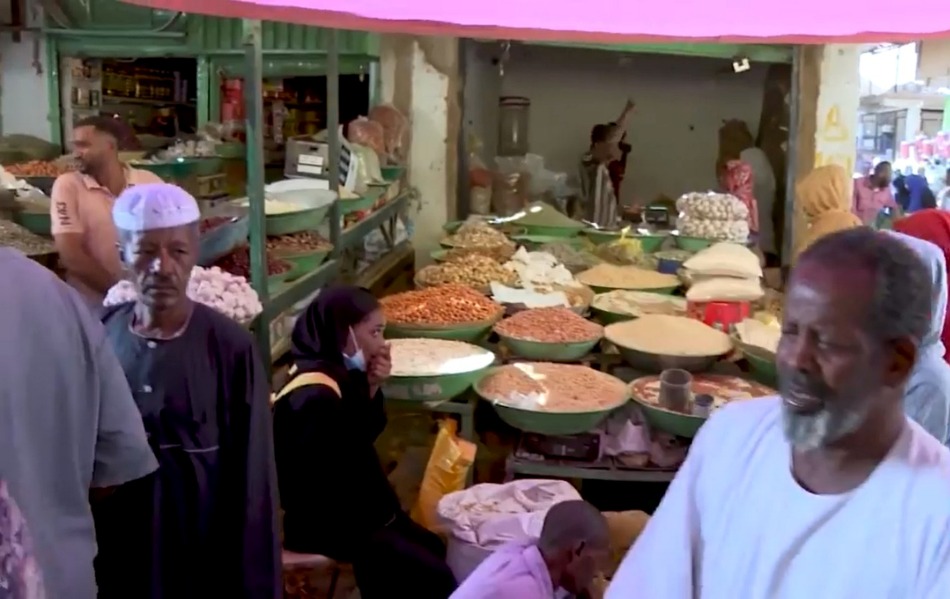
Despite the lower annual figure, many Sudanese are struggling to afford basic necessities. Most have lost their livelihoods due to the ongoing conflict, and the continued devaluation of the local currency has eroded purchasing power.
Economists note that the lower annual rate reflects a comparison against the high price levels of the previous year, rather than a cooling of the current economic crisis.