
Sudan health ministry reports dengue fever surge in seven states
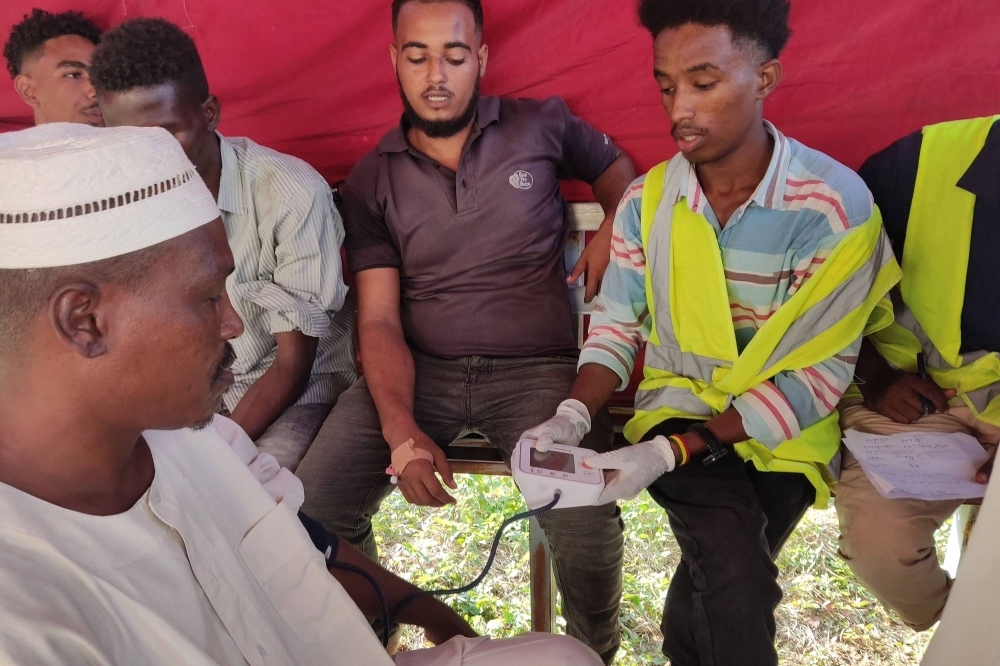
April 1 2026 (KHARTOUM) – The Sudanese health ministry on Wednesday reported a rise in dengue fever infections across seven states and cases of hepatitis in three states, as the health system struggles under the weight of ongoing conflict.
The healthcare system in several states faces severe challenges due to the war, which has led to road closures, hindered the delivery of medicines and medical supplies, and caused a general deterioration in medical care.
The Emergency Operations Centre of the health ministry stated in a report that surveillance data recorded 662 cases of dengue fever over the past week in the states of Khartoum, River Nile, Gezira, White Nile, Northern, Gedaref, and Kassala.
The statement also confirmed 48 cases of hepatitis in Gezira, Gedaref, and White Nile, while 103 measles cases were recorded in North Kordofan, White Nile, West Kordofan, and Northern states. However, there was a recorded decrease in malaria infection rates across 13 states compared to the previous week.
The Emergency Operations Centre noted that health promotion activities are ongoing, including 29,000 home visits and educational lectures. An awareness campaign titled “Dry Up the Water, Stop the Fever” was launched in River Nile state, alongside polio awareness efforts in North Kordofan and parts of White Nile.
The ministry highlighted a disparity in the availability of medications and epidemiological supplies at the National Medical Supplies Fund warehouses, noting a shortage of malaria drugs in some states.
The National Public Health Laboratory (Stack) has launched an epidemiological response to combat meningitis by activating decentralized diagnostics in six states with support from the World Health Organization. Mobile laboratories have been deployed in Khartoum, Gezira, and Gedaref to ensure rapid investigation and accurate field response.
Health Ministry Undersecretary Ali Babiker directed the General Department of Health Emergencies to submit a detailed report on the situation in southern Blue Nile. He also called for preparations for a large-scale meeting to coordinate responses for the expected return of displaced persons to Khartoum in the coming period.