
Sudan deputy leader rejects Berlin conference on humanitarian aid
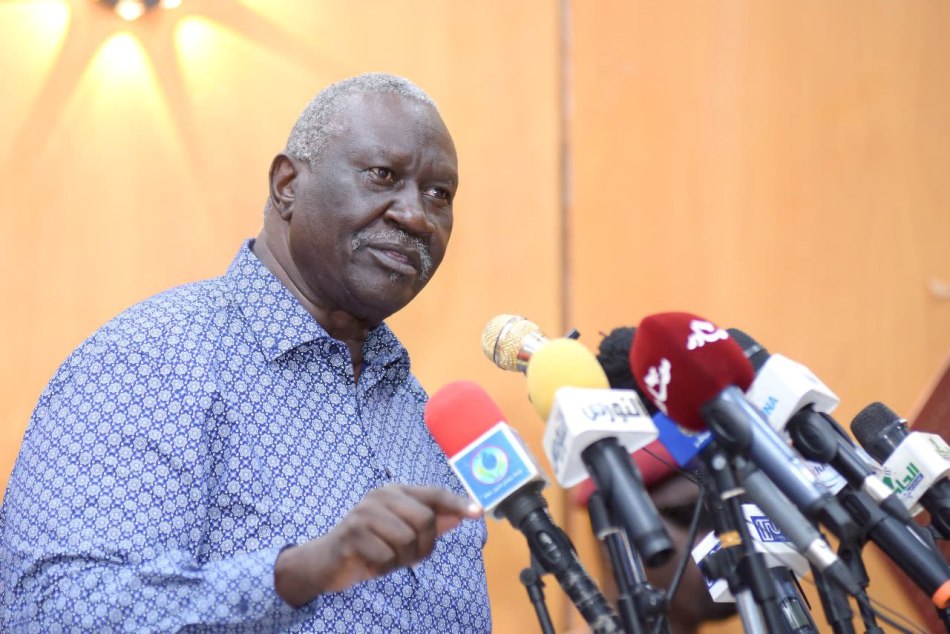
April 4, 2026 (KHARTOUM) – Sudanese Sovereignty Council Deputy Chairman Malik Agar expressed opposition on Saturday to a planned conference in Berlin organized by European nations to address the humanitarian crisis in Sudan.
The objection marks the first official rejection of the move by the Sudanese government, which was not invited to participate in the summit.
European countries recently announced the conference, scheduled for April 15, to mobilize humanitarian support. This follows previous international sessions held in Paris and London.
Speaking at an event organized by the People’s League to thank humanitarian organizations, Agar said the upcoming Berlin conference contradicts the desires and aspirations of the Sudanese people.
Agar emphasized that solutions must be determined solely by Sudanese citizens. He added that the people reject externally imposed resolutions, describing the conflict as a “Sudanese war that must be resolved through solutions originating from the people.”
Several political forces have also announced a boycott of the Berlin meeting. They cited an imbalance in the selection of participants and the exclusion of the official government in favour of organizations linked to what they described as a parallel administration.
Press reports indicated that organizers invited approximately 40 figures representing various political coalitions and parties to attend the proceedings.
Agar also addressed the long-standing dispute over the Abyei region. He stated that Sovereignty Council Chairman Abdel Fattah al-Burhan and South Sudanese President Salva Kiir Mayardit would work together to resolve the issue.
Sovereignty over Abyei remains a point of contention between Khartoum and Juba. The two nations have struggled to agree on voter eligibility for a self-determination referendum originally proposed in the 2005 Comprehensive Peace Agreement.
Tensions persist due to the Dinka Ngok’s refusal to allow nomadic Misseriya tribes to participate in the vote. While progress on border demarcation was made after 2019, the conflict that erupted in April 2023 has stalled negotiations.
Agar expressed the government’s gratitude to humanitarian organizations providing services during the war. He stressed Sudan’s commitment to strengthening ties with these groups, provided they respect national sovereignty and territorial integrity.
He called for neutrality in humanitarian work and urged respect for Sudan’s privacy and dignity. He noted that external interference in the conflict complicates the delivery of aid.