
Sudan refugees pushed to breaking point as livelihoods collapse across region, report
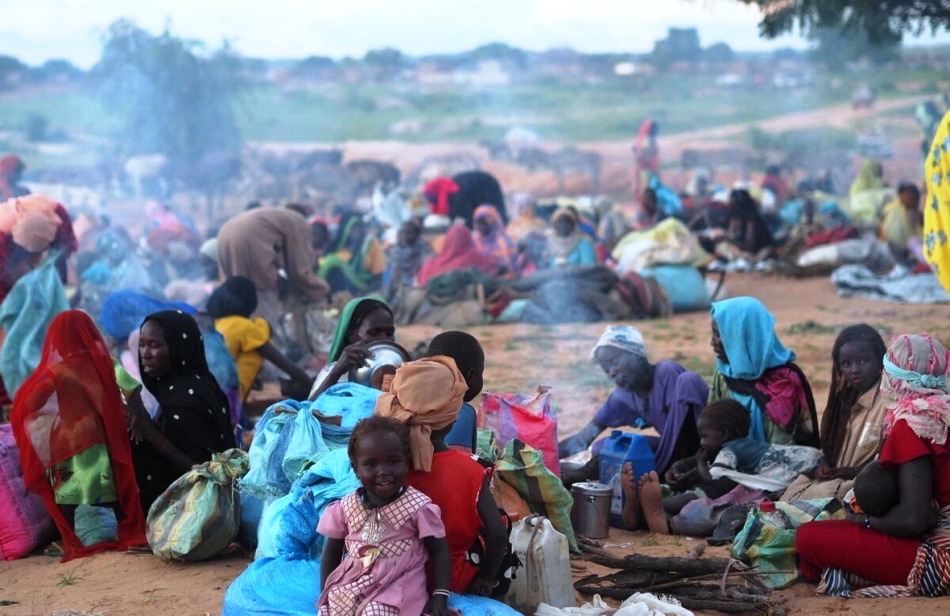
April 9, 2026 (KHARTOUM) – The Norwegian Refugee Council (NRC) revealed on Thursday that the majority of Sudanese families have been forced to skip meals due to acute food insecurity and a near-total collapse of income sources across Sudan and neighbouring countries.
A survey conducted by the NRC in March, covering 472 households in Sudan and over 1,500 refugee households in Chad, South Sudan, Egypt, and Libya, highlights a catastrophic decline in coping mechanisms. The report, titled “Exhausted: Three years of displacement and the collapse of survival systems in Sudan and the region,” indicates that the crisis has moved far beyond immediate conflict zones.
According to the findings, more than 90% of households in South Sudan, 80% in Sudan, 75% in Egypt, and 70% in Chad are currently cutting down or skipping meals. This hunger crisis is driven by a massive loss of income, with 74% of surveyed families across Sudan, South Sudan, and Chad reporting no income at all.
The economic strain is even more severe for female-headed households, with 90% of those in Chad reporting a complete lack of financial resources. This has led to dangerous survival strategies, including an 18% increase in families forced to send their children to work.
Displacement has also shattered the social fabric of Sudanese society. The NRC found that 65% of households have been separated from family members, while 90% have lost their homes. Currently, only 45% of displaced children have access to regular education, leaving nearly a fifth with no schooling at all.
The report warns that the solidarity of host communities, which has prevented an even larger disaster over the past three years, has reached a breaking point. Only 15% of families in Sudan and 25% in Chad feel their current conditions allow them to live with dignity.
Humanitarian needs have skyrocketed, with 33.7 million people in Sudan requiring assistance this year. UN agencies and NGOs face a severe funding crunch, resulting in reduced rations that often fail to last a full month for the 7.4 million internally displaced people.
Protection risks are also mounting, particularly for women. In Sudan, Chad, and South Sudan, 20% of women lack access to toilets and must travel long distances to collect water, exposing them to harassment and violence. Family separation in Chad has also tripled the risk of child marriage.
Since the conflict began three years ago, millions have sought safety abroad, including 1.5 million in Egypt, 900,000 in Chad, 600,000 in South Sudan, and 500,000 in Libya. The NRC is calling for immediate international intervention to address the funding gap and prevent a total collapse of survival systems in the region.